

As a supplier in the pharmaceutical intermediate industry, I've witnessed firsthand how trade policies can send shockwaves through our business. In this blog, I'll dive into the impacts of trade policies on our industry, share some real - world examples, and discuss what it means for all of us involved.
1. Tariffs and Cost Structures
One of the most immediate effects of trade policies is the imposition of tariffs. Tariffs are essentially taxes on imported goods. When a government slaps a tariff on pharmaceutical intermediates, it directly increases the cost of doing business for us suppliers.
Let's say we import some raw materials from another country to produce our intermediates. If a new tariff is introduced, the cost of those raw materials goes up. This, in turn, forces us to either absorb the cost, which eats into our profit margins, or pass it on to our customers. And let's be honest, passing on the cost isn't always an easy option. Our customers are also trying to keep their costs down, and if our prices become too high, they might look for alternative suppliers.
For example, if we're producing Argatroban Anhydrous Intermediate and the raw materials for it are subject to a new tariff, we'll have to re - evaluate our pricing strategy. It could mean a delicate balancing act between maintaining our profit and keeping our customers happy.
2. Supply Chain Disruptions
Trade policies can also cause major disruptions to our supply chains. Sometimes, new regulations or restrictions can limit our access to certain suppliers or markets.
Let's take the case of sourcing 3 - Methyl - 8 - quinolinesulphonyl Chloride. If a trade policy restricts imports from a particular country where we usually get this intermediate, we'll have to find a new source. This isn't as simple as it sounds. We need to ensure that the new supplier meets our quality standards, and there might be a learning curve in terms of working with them.
In addition, supply chain disruptions can lead to delays in production. If we can't get the necessary intermediates on time, our production schedules get thrown off. This can result in missed deadlines for our customers, which can damage our reputation in the market.
3. Market Access and Competition
Trade policies can either open up or close off markets for us. Some policies are designed to protect domestic industries, which can make it harder for us to sell our products in certain countries.
For instance, if a country implements strict import regulations for pharmaceutical intermediates, it might require us to go through a long and costly certification process. This can be a major barrier for small and medium - sized suppliers like us. On the other hand, some trade agreements can create new opportunities. They might reduce tariffs and other barriers, allowing us to expand into new markets.
When it comes to competition, trade policies can have a significant impact. If a policy makes it easier for foreign suppliers to enter our domestic market, we'll face more competition. We'll have to find ways to differentiate our products, whether it's through better quality, lower prices, or superior customer service.
Let's consider the Lenacapavir Intermediate Inhibitor. If a new trade policy allows more foreign suppliers to sell this intermediate in our market, we'll need to step up our game to stay competitive.
4. Innovation and R & D
Trade policies can also influence our investment in research and development (R & D). In a more protectionist environment, where access to global markets is limited, we might be less motivated to invest in new and innovative products. After all, if we can't sell our products in a wide range of markets, the return on our R & D investment might be lower.
On the other hand, in a more open trade environment, we have more incentives to innovate. We can access a larger customer base, which means there's a greater potential for our new products to be successful. For example, if we're working on a new and improved version of Pneumocandin B0, an open trade policy would allow us to market it to a wider audience, increasing the chances of recouping our R & D costs.
5. Regulatory Harmonization
Another aspect of trade policies is regulatory harmonization. Different countries have different regulations for pharmaceutical intermediates. When trade policies aim to harmonize these regulations, it can make it easier for us to do business across borders.
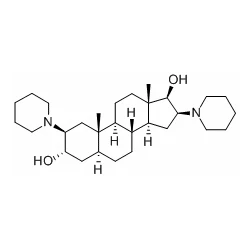

For example, if two countries agree to align their quality and safety standards for Rocuronium Bromide Intermediate Drug Synthesis, we won't have to go through separate certification processes for each market. This can save us time and money, and it also reduces the complexity of our operations.
However, achieving regulatory harmonization isn't always easy. There are often differences in cultural, political, and economic factors that can make it difficult to reach an agreement.
6. What Does This Mean for Us?
As a pharmaceutical intermediate supplier, we need to be proactive in dealing with the impacts of trade policies. We need to stay informed about the latest policy changes and how they might affect our business.
We should also diversify our supply chains to reduce the risk of disruptions. This could mean working with multiple suppliers in different countries. In terms of pricing, we need to be flexible and find ways to manage cost increases without losing our customers.
When it comes to competition, we should focus on building strong relationships with our customers and providing them with high - quality products and excellent service. And in terms of R & D, we need to assess the market potential of our new products in light of trade policies and invest accordingly.
7. Let's Connect
If you're in the market for pharmaceutical intermediates, I'd love to have a chat with you. The impacts of trade policies are constantly changing, but we're committed to providing you with the best products at the most competitive prices. Whether you're interested in Argatroban Anhydrous Intermediate, 3 - Methyl - 8 - quinolinesulphonyl Chloride, Lenacapavir Intermediate Inhibitor, Pneumocandin B0, or Rocuronium Bromide Intermediate Drug Synthesis, we've got you covered. Reach out to us, and let's start a conversation about your needs.
References
- World Trade Organization. (2023). Trade Policy Reviews.
- Pharmaceutical Research and Manufacturers of America. (2023). Impact of Trade Policies on the Pharmaceutical Industry.
- International Federation of Pharmaceutical Manufacturers & Associations. (2023). Global Trade and the Pharmaceutical Sector.