

Hey there! As a veterinary drug supplier, I've seen firsthand how crucial it is for these medications to work effectively. There are a bunch of factors that can affect the efficacy of veterinary drugs, and I'm gonna share some insights with you.
1. Drug - related Factors
Drug Quality
The quality of the veterinary drug is the most fundamental factor. A high - quality drug is formulated to meet strict standards. For instance, the purity of the active ingredient matters a lot. If there are impurities in the drug, it can not only reduce the drug's effectiveness but also potentially cause side effects in animals.
At our supply end, we make sure that all the drugs we offer, like Doramectin Veterinary Drugs Anti - parasitic Antibiotics, are of top - notch quality. We source from reliable manufacturers who follow good manufacturing practices (GMP). This means that the drugs are produced under controlled conditions, ensuring consistent quality and potency.
Drug Formulation
The way a drug is formulated can have a big impact on its efficacy. Different formulations are designed for different administration routes and to achieve specific release profiles. For example, some drugs are formulated as tablets, which are easy to administer but may have a slower onset of action compared to injectables.
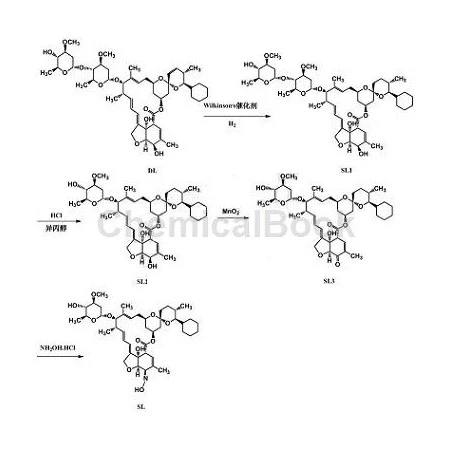
On the other hand, liquid formulations can be easier to dose accurately, especially for small animals or when a precise amount of the drug needs to be given. We also have drugs like Selamectin Antiparasitic Drug Insecticide Animal Raw Material, which comes in a topical formulation. This allows for easy application on the animal's skin, where it can be absorbed and start working against parasites.
Drug Dosage
Getting the dosage right is super important. If the dosage is too low, the drug may not be able to achieve the desired therapeutic effect. On the flip side, an excessive dosage can lead to toxicity and other adverse reactions in the animal.
Veterinarians usually calculate the dosage based on the animal's weight, age, and the severity of the condition. As a supplier, we provide detailed dosage instructions with each product to help ensure that the drugs are used safely and effectively. For example, Milbemycin Oxime Antiparasitic Drug Insecticide has specific dosage guidelines depending on the type of animal and the parasite being targeted.
2. Animal - related Factors
Animal Species
Different animal species have different physiological characteristics, which can affect how they respond to veterinary drugs. For example, cats and dogs metabolize drugs differently. Some drugs that are safe and effective for dogs may be toxic to cats.
This is why it's crucial to use drugs that are specifically formulated for the target species. We offer a wide range of drugs that are tailored to different animal species, ensuring that they are both safe and effective.
Animal Age
The age of the animal also plays a role in drug efficacy. Young animals, especially neonates, have immature organ systems, which can affect drug absorption, distribution, metabolism, and excretion. Older animals may have reduced organ function, which can also impact how the drug works.
For example, in puppies and kittens, the dosage of a drug may need to be adjusted based on their age and development. We work closely with veterinarians to provide appropriate dosing recommendations for animals of all ages.
Animal Health Status
The overall health of the animal can influence drug efficacy. Animals with underlying health conditions, such as liver or kidney disease, may have impaired drug metabolism and excretion. This means that the drug may stay in the body longer or not be processed properly, leading to either reduced efficacy or increased risk of side effects.
Veterinarians need to take into account the animal's health status when prescribing drugs. As a supplier, we can provide information on how certain drugs interact with different health conditions to help veterinarians make informed decisions.

3. Environmental Factors
Temperature and Humidity
The storage conditions of veterinary drugs can affect their stability and efficacy. High temperatures and humidity can cause drugs to degrade more quickly. For example, some drugs need to be stored in a cool, dry place to maintain their potency.
We ensure that all our drugs are stored and transported under the right environmental conditions to preserve their effectiveness. When you receive our products, make sure to follow the storage instructions provided to get the best results.
Exposure to Light
Some drugs are sensitive to light, and prolonged exposure can cause them to break down. This is why many veterinary drugs come in opaque containers. We always package our products in suitable containers to protect them from light damage.
4. Administration - related Factors
Route of Administration
The route by which a drug is administered can greatly affect its efficacy. Common routes include oral, injectable, topical, and inhalation. Each route has its own advantages and disadvantages.
Oral administration is convenient but may be affected by factors like the animal's digestive system. Injectables, on the other hand, can provide a more rapid and reliable onset of action. Topical drugs are useful for treating skin conditions or preventing parasites on the skin surface.
Compliance with Administration Schedule
Following the correct administration schedule is vital. Skipping doses or not giving the drug at the right times can reduce the drug's efficacy. Pet owners and animal care providers need to be educated about the importance of following the prescribed schedule.
As a veterinary drug supplier, we're committed to providing high - quality products that work effectively. We understand that the efficacy of our drugs depends on many factors, and we do our best to ensure that all aspects are taken care of.
If you're in the market for veterinary drugs, whether it's for a small animal clinic, a large - scale farm, or any other animal - related business, we'd love to talk with you. We can offer competitive prices, reliable supply, and excellent customer service. Reach out to us to start a procurement discussion and see how we can meet your needs.
References
- Clinical Veterinary Pharmacology, 4th Edition
- Veterinary Medicine: A Textbook of the Diseases of Cattle, Horses, Sheep, Pigs and Goats, 11th Edition