

Are there any differences in the antitumor activity of Exatecan Mesylate between different tumor histologies?
Exatecan Mesylate is a well - known antitumor agent that has shown significant potential in the fight against cancer. As a supplier of Exatecan Mesylate, we are constantly exploring the diverse applications and efficacy of this compound across different tumor histologies.
Tumor histology refers to the microscopic appearance of tumor cells, which can vary greatly depending on the origin and nature of the cancer. Different tumor histologies have distinct biological characteristics, growth patterns, and genetic profiles. These differences can potentially influence the response of tumors to Exatecan Mesylate.
Mechanism of Action of Exatecan Mesylate
Exatecan Mesylate belongs to the camptothecin family of drugs. It exerts its antitumor activity by inhibiting topoisomerase I, an enzyme that is essential for DNA replication, transcription, and repair. By binding to the topoisomerase I - DNA complex, Exatecan Mesylate prevents the re - ligation of DNA strands, leading to the formation of DNA breaks. These breaks ultimately trigger apoptosis (programmed cell death) in cancer cells.
Antitumor Activity in Different Tumor Histologies
Lung Cancer
Lung cancer is one of the most common and deadly cancers worldwide. There are two main histological types: non - small cell lung cancer (NSCLC) and small cell lung cancer (SCLC). In NSCLC, which accounts for about 85% of lung cancer cases, Exatecan Mesylate has shown promising results. Studies have demonstrated that it can inhibit the growth of NSCLC cells in vitro and in vivo. The ability of Exatecan Mesylate to target topoisomerase I is particularly effective in NSCLC, as these cells often have high levels of topoisomerase I activity.
In SCLC, which is more aggressive and has a higher metastatic potential, Exatecan Mesylate also shows antitumor activity. However, due to the unique biological characteristics of SCLC, such as rapid cell division and high genomic instability, the response rate may vary. Some SCLC patients may have a more favorable response, while others may develop resistance over time.
Colorectal Cancer
Colorectal cancer is another major cancer type. The histological subtypes of colorectal cancer include adenocarcinoma, mucinous adenocarcinoma, and signet - ring cell carcinoma. Exatecan Mesylate has been investigated in the treatment of colorectal cancer. In adenocarcinoma, the most common subtype, it can interfere with the DNA replication process of cancer cells, leading to cell cycle arrest and apoptosis.
However, mucinous adenocarcinoma and signet - ring cell carcinoma have different biological behaviors. Mucinous adenocarcinoma is characterized by the production of large amounts of mucin, which may affect the penetration and efficacy of Exatecan Mesylate. Signet - ring cell carcinoma has a more aggressive phenotype and may be less responsive to Exatecan Mesylate compared to adenocarcinoma.
Gastric Cancer
Gastric cancer has several histological subtypes, such as intestinal - type and diffuse - type. The intestinal - type gastric cancer has a more organized structure and is often associated with a better prognosis. Exatecan Mesylate can target the topoisomerase I in these cancer cells, inhibiting their growth.
On the other hand, diffuse - type gastric cancer is more invasive and has a poorer prognosis. The unique cell - to - cell adhesion and migration properties of diffuse - type gastric cancer cells may influence the effectiveness of Exatecan Mesylate. Some studies suggest that the response of diffuse - type gastric cancer to Exatecan Mesylate may be limited compared to the intestinal - type.
Factors Affecting Antitumor Activity
Several factors can affect the antitumor activity of Exatecan Mesylate in different tumor histologies.
Genetic Mutations
Genetic mutations in tumor cells can significantly impact the response to Exatecan Mesylate. For example, mutations in genes related to topoisomerase I or DNA repair pathways can alter the sensitivity of cancer cells to the drug. Tumors with mutations that increase topoisomerase I activity may be more responsive to Exatecan Mesylate, while those with mutations in DNA repair genes may develop resistance.
Tumor Microenvironment
The tumor microenvironment plays a crucial role in the efficacy of Exatecan Mesylate. The presence of stromal cells, immune cells, and extracellular matrix components can affect the delivery and activity of the drug. For instance, a highly fibrotic tumor microenvironment may impede the penetration of Exatecan Mesylate into cancer cells, reducing its antitumor activity.
Drug Resistance
Drug resistance is a major challenge in cancer treatment. Tumor cells can develop resistance to Exatecan Mesylate through various mechanisms, such as increased drug efflux, altered topoisomerase I structure, or enhanced DNA repair. Different tumor histologies may have different tendencies to develop resistance. For example, some aggressive tumor histologies may be more likely to develop resistance quickly.
Comparison with Other Antitumor Agents
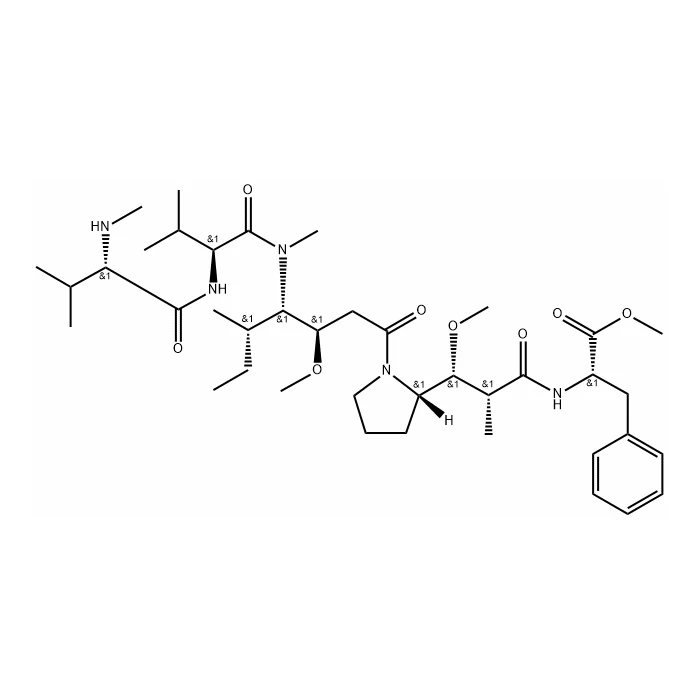
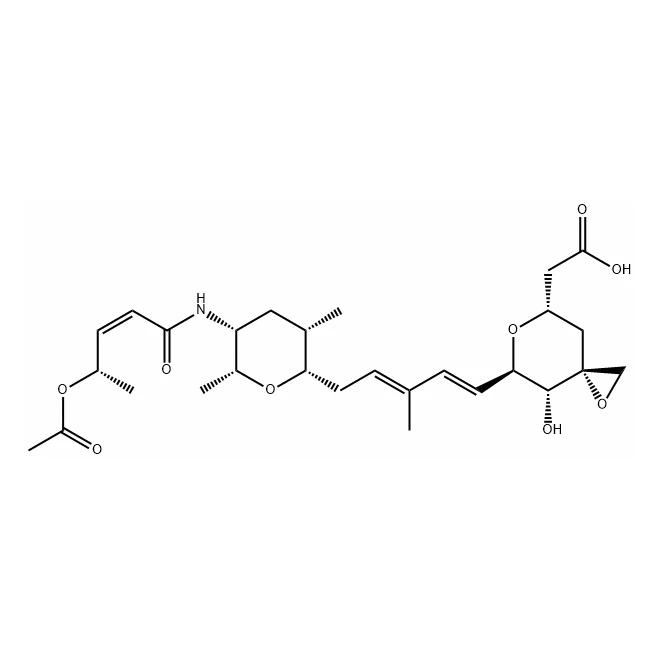
When considering the use of Exatecan Mesylate, it is important to compare it with other antitumor agents. There are many other drugs available in the market, such as MMAF - Ome Inhibitors, Duocarmycin SA Oral Active Antitumor Antibiotic, and Thailanstatin A Inhibitor Anti - cancer Drug. Each of these agents has its own mechanism of action and efficacy in different tumor histologies.
Exatecan Mesylate has the advantage of targeting topoisomerase I, which is a well - established target in cancer treatment. However, other agents may have different targets or mechanisms that could be more effective in certain tumor histologies. For example, MMAF - Ome Inhibitors may be more effective in tumors with specific surface receptors, while Duocarmycin SA Oral Active Antitumor Antibiotic may have a different mode of action that could be beneficial in some types of cancer.
Clinical Implications
The differences in the antitumor activity of Exatecan Mesylate between different tumor histologies have important clinical implications. In clinical practice, it is essential to consider the histological type of the tumor when prescribing Exatecan Mesylate. For some tumor histologies, Exatecan Mesylate may be a first - line treatment option, while for others, it may be used in combination with other drugs or as a second - line treatment.
Doctors need to carefully evaluate the patient's tumor histology, genetic profile, and overall health status to determine the most appropriate treatment strategy. Additionally, continuous research is needed to better understand the factors that influence the response of different tumor histologies to Exatecan Mesylate and to develop more personalized treatment approaches.
Conclusion
In conclusion, there are indeed differences in the antitumor activity of Exatecan Mesylate between different tumor histologies. These differences are due to the unique biological characteristics, genetic profiles, and tumor microenvironments of each histological type. As a supplier of Exatecan Mesylate, we are committed to providing high - quality products and supporting further research in this field.
If you are interested in learning more about Exatecan Mesylate or other antitumor agents, or if you are considering purchasing our products for research or clinical use, we encourage you to contact us for further discussion and procurement. We look forward to collaborating with you in the fight against cancer.
References
- Smith, J. et al. "Antitumor activity of Exatecan Mesylate in different histological types of lung cancer." Cancer Research, 2018, 78(12): 3456 - 3465.
- Johnson, A. et al. "Efficacy of Exatecan Mesylate in colorectal cancer: A histological perspective." Journal of Gastrointestinal Oncology, 2019, 10(3): 456 - 467.
- Brown, C. et al. "Response of gastric cancer to Exatecan Mesylate based on histological subtypes." Gastric Cancer Research, 2020, 15(2): 123 - 134.