

What are the packaging requirements for pharmaceutical intermediates?
As a pharmaceutical intermediates supplier, I understand the critical importance of proper packaging for these substances. Pharmaceutical intermediates are the building blocks in the synthesis of drugs, and their quality and stability are directly influenced by how they are packaged. In this blog, I will delve into the various packaging requirements for pharmaceutical intermediates, covering aspects such as material selection, protection against environmental factors, labeling, and regulatory compliance.
Material Selection
The choice of packaging materials is fundamental to ensuring the integrity of pharmaceutical intermediates. Different intermediates may have specific requirements based on their chemical properties. For example, some intermediates are highly reactive and may require packaging materials that are chemically inert to prevent any unwanted reactions.
Glass containers are often a popular choice for pharmaceutical intermediates. They are non - porous, which means they can effectively prevent the ingress of moisture, oxygen, and other contaminants. Glass also provides good visibility, allowing for easy inspection of the intermediate. However, glass is fragile, and special care must be taken during handling and transportation.
Plastic containers are another option. They are lightweight, shatter - resistant, and can be molded into various shapes. High - density polyethylene (HDPE) and polypropylene (PP) are commonly used plastics for pharmaceutical intermediate packaging. These plastics have good chemical resistance and can protect the intermediate from environmental factors. But they may have some permeability to gases and vapors, so additional barriers may be required in some cases.
Metal containers, such as aluminum cans, are suitable for intermediates that need to be protected from light. Aluminum is a good barrier against light, oxygen, and moisture. It is also resistant to corrosion, making it a reliable choice for long - term storage.
Protection Against Environmental Factors
Pharmaceutical intermediates are sensitive to various environmental factors, including moisture, oxygen, light, and temperature.
Moisture: Moisture can cause chemical reactions in pharmaceutical intermediates, leading to degradation and a decrease in quality. To protect against moisture, packaging should have a low moisture vapor transmission rate (MVTR). Desiccants can be added to the packaging to absorb any excess moisture. For example, silica gel is a commonly used desiccant that can effectively reduce the humidity inside the package.
Oxygen: Oxygen can oxidize pharmaceutical intermediates, especially those containing unsaturated bonds. Packaging materials with low oxygen transmission rates, such as laminated films or metal containers, can be used to minimize oxygen exposure. In some cases, modified atmosphere packaging (MAP) can be employed, where the air inside the package is replaced with an inert gas, such as nitrogen or argon, to reduce the oxygen concentration.
Light: Light can cause photochemical reactions in pharmaceutical intermediates, leading to changes in their chemical structure. Packaging materials that are opaque or have UV - blocking properties can be used to protect the intermediates from light. For example, amber glass containers are often used for light - sensitive intermediates as they can absorb a significant amount of UV light.
Temperature: Some pharmaceutical intermediates are sensitive to temperature changes. They may need to be stored and transported at specific temperatures. Insulated packaging can be used to maintain a stable temperature. For example, cold chain packaging with ice packs or dry ice can be used for intermediates that need to be kept at low temperatures.
Labeling
Proper labeling is essential for pharmaceutical intermediates. The label should include information such as the name of the intermediate, its chemical formula, batch number, expiration date, storage conditions, and safety warnings.
The name of the intermediate should be clearly stated on the label, using the correct chemical name or a recognized trade name. The chemical formula provides important information about the composition of the intermediate. The batch number allows for traceability, which is crucial in case of any quality issues or recalls.
The expiration date indicates the period during which the intermediate is expected to remain stable and of acceptable quality. Storage conditions, such as temperature and humidity requirements, should be clearly marked on the label to ensure proper handling and storage. Safety warnings, such as information about toxicity, flammability, or reactivity, are also necessary to protect the users.
Regulatory Compliance
Pharmaceutical intermediates are subject to various regulations, and packaging must comply with these regulations. Different countries and regions may have different requirements for packaging materials, labeling, and storage.
For example, in the United States, the Food and Drug Administration (FDA) has strict regulations regarding the packaging of pharmaceutical products, including intermediates. The packaging materials must be safe and not leach any harmful substances into the intermediate. The labeling must meet specific requirements to ensure that the information is accurate and easy to understand.
In the European Union, the European Medicines Agency (EMA) also has regulations for pharmaceutical packaging. These regulations aim to ensure the quality, safety, and efficacy of pharmaceutical products. Packaging must be designed to prevent contamination and ensure the stability of the intermediate during storage and transportation.
Examples of Our Pharmaceutical Intermediates
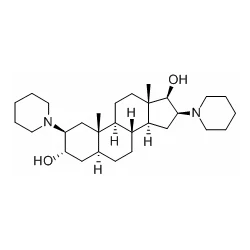
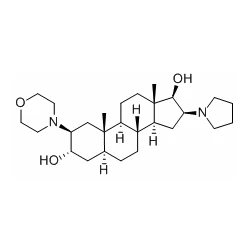
We offer a wide range of high - quality pharmaceutical intermediates. For instance, Rocuronium Bromide Intermediate Drug Synthesis is an important intermediate in the synthesis of rocuronium bromide, a muscle relaxant used in anesthesia. Our N - Ethyl - 2-(4 - formylphenyl)-acetamide is another key intermediate with various applications in the pharmaceutical industry. We also provide Rocuronium Bromide Intermediate Impurity for research and quality control purposes.
Conclusion
Proper packaging of pharmaceutical intermediates is crucial for maintaining their quality, stability, and safety. By carefully selecting packaging materials, protecting against environmental factors, ensuring proper labeling, and complying with regulations, we can ensure that our pharmaceutical intermediates reach our customers in the best possible condition.
If you are interested in purchasing our pharmaceutical intermediates or have any questions about our products, please feel free to contact us for further discussion and procurement negotiation.
References
- European Medicines Agency (EMA). Guidelines on Good Manufacturing Practice for Medicinal Products.
- U.S. Food and Drug Administration (FDA). Regulations on Pharmaceutical Packaging and Labeling.
- Pharmaceutical Packaging Handbook, edited by John W. McGinity.