

MMAF - Ome inhibitors have emerged as a significant area of research in the field of oncology and pharmaceutical development. As a leading supplier of MMAF - Ome inhibitors, we are committed to providing high - quality products and in - depth knowledge about their mechanisms. In this blog, we will explore the main mechanisms of MMAF - Ome inhibitors and their implications in the fight against cancer.
1. Introduction to MMAF - Ome
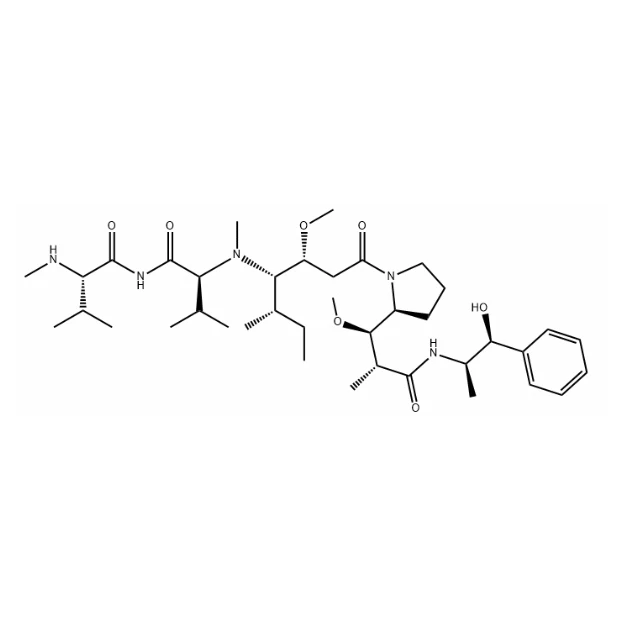
MMAF - Ome, or MonoMethyl Auristatin F - Ome, is a derivative of the highly potent antimitotic agent MonoMethyl Auristatin E (MMAE). MMAF - Ome is often used in the development of antibody - drug conjugates (ADCs). ADCs are a class of targeted cancer therapies that combine the specificity of monoclonal antibodies with the cytotoxicity of small - molecule drugs. The MMAF - Ome payload is attached to an antibody that can specifically recognize and bind to antigens on the surface of cancer cells, delivering the cytotoxic agent directly to the tumor site.
2. Mechanisms of Action
2.1 Microtubule Disruption
One of the primary mechanisms of MMAF - Ome inhibitors is their ability to disrupt microtubule dynamics. Microtubules are essential components of the cell's cytoskeleton, playing a crucial role in cell division, intracellular transport, and maintaining cell shape. MMAF - Ome binds to tubulin, the building block of microtubules, and inhibits its polymerization.
When MMAF - Ome binds to tubulin, it prevents the formation of new microtubules and causes the depolymerization of existing microtubules. This disruption of microtubule dynamics leads to the arrest of the cell cycle at the metaphase stage. During cell division, the proper formation and function of the mitotic spindle, which is composed of microtubules, are essential for the accurate segregation of chromosomes. By disrupting microtubules, MMAF - Ome inhibits the normal progression of mitosis, ultimately leading to cell death.
2.2 Induction of Apoptosis
In addition to microtubule disruption, MMAF - Ome inhibitors can also induce apoptosis, or programmed cell death. Apoptosis is a highly regulated process that plays a crucial role in maintaining tissue homeostasis and eliminating damaged or abnormal cells. MMAF - Ome can activate several apoptotic pathways within cancer cells.
One of the key pathways is the intrinsic apoptotic pathway. MMAF - Ome can cause mitochondrial dysfunction by disrupting the mitochondrial membrane potential. This leads to the release of cytochrome c from the mitochondria into the cytosol, which then activates caspases, a family of proteases that are the main executors of apoptosis. Once activated, caspases cleave various cellular substrates, leading to the characteristic morphological and biochemical changes associated with apoptosis, such as cell shrinkage, chromatin condensation, and DNA fragmentation.
2.3 Inhibition of Cell Proliferation
MMAF - Ome inhibitors can also directly inhibit cell proliferation. By disrupting microtubule dynamics and inducing apoptosis, they prevent cancer cells from dividing and growing. Moreover, MMAF - Ome can interfere with the signaling pathways that are involved in cell growth and survival. For example, it can affect the activity of growth factor receptors and downstream signaling molecules, such as the PI3K - AKT - mTOR pathway. This pathway is frequently dysregulated in cancer cells, promoting cell growth, survival, and angiogenesis. By inhibiting this pathway, MMAF - Ome can further suppress cancer cell proliferation.
3. Applications in Antibody - Drug Conjugates
The unique mechanisms of MMAF - Ome inhibitors make them ideal candidates for use in ADCs. ADCs are designed to deliver the cytotoxic payload specifically to cancer cells, minimizing the off - target effects on normal cells. The antibody component of the ADC binds to antigens that are overexpressed on the surface of cancer cells, such as HER2, CD30, or CD22. Once the ADC binds to the cancer cell, it is internalized through endocytosis.
Inside the cell, the linker between the antibody and the MMAF - Ome payload is cleaved, releasing the MMAF - Ome into the cytoplasm. The released MMAF - Ome then exerts its cytotoxic effects on the cancer cell, as described above. This targeted delivery approach allows for higher concentrations of the cytotoxic agent to be delivered to the tumor site, while reducing the systemic toxicity associated with traditional chemotherapy.
4. Comparison with Other ADC Payloads
There are several other payloads used in ADCs, and it is important to understand how MMAF - Ome compares to them.
N - Acetyl - Calicheamicin Highly Active Anti - tumor Antibiotic is another potent payload used in ADCs. Calicheamicin is a DNA - damaging agent that causes double - strand breaks in the DNA of cancer cells. Unlike MMAF - Ome, which targets microtubules, calicheamicin directly affects the genetic material of the cell. This difference in mechanism can lead to different patterns of efficacy and toxicity.
MonoMethyl Auristatin E Synthesizes Antitumor Agents is closely related to MMAF - Ome. MMAE is also a microtubule - targeting agent, but it has a different chemical structure and pharmacokinetic properties compared to MMAF - Ome. MMAE is generally more hydrophobic than MMAF - Ome, which can affect its solubility and distribution in the body.
Thailanstatin A Inhibitor Anti - cancer Drug is a novel payload with a unique mechanism of action. It inhibits protein synthesis in cancer cells, rather than targeting microtubules or DNA. This provides an alternative approach to cancer treatment and may be effective in cases where other mechanisms are not sufficient.
5. Future Directions and Challenges
The development of MMAF - Ome inhibitors and ADCs is an active area of research, and there are several future directions and challenges to consider.
One of the challenges is the development of more specific and effective antibodies for ADCs. The success of an ADC depends on the ability of the antibody to specifically recognize and bind to the target antigen on cancer cells. Improving the selectivity and affinity of the antibodies can enhance the efficacy of the ADC and reduce off - target effects.
Another challenge is the optimization of the linker between the antibody and the MMAF - Ome payload. The linker needs to be stable in the bloodstream to prevent premature release of the payload, but it also needs to be cleaved efficiently inside the cancer cell to release the active drug. Developing linkers with the right balance of stability and cleavability is crucial for the success of ADCs.
In terms of future directions, there is a growing interest in combination therapies. Combining ADCs with other cancer treatments, such as chemotherapy, radiotherapy, or immunotherapy, may enhance the overall efficacy of cancer treatment. Additionally, the development of next - generation MMAF - Ome inhibitors with improved properties, such as higher potency and lower toxicity, is an area of ongoing research.

6. Conclusion
MMAF - Ome inhibitors play a crucial role in the development of targeted cancer therapies, particularly in the form of antibody - drug conjugates. Their main mechanisms of action, including microtubule disruption, apoptosis induction, and inhibition of cell proliferation, make them effective against a variety of cancer types. As a supplier of MMAF - Ome inhibitors, we are dedicated to providing high - quality products and supporting the research and development efforts in this field.
If you are interested in learning more about our MMAF - Ome inhibitors or would like to discuss potential procurement and collaboration opportunities, please feel free to reach out to us. We look forward to working with you to advance the field of cancer treatment.
References
- Alley, S. C., et al. (2010). Controlling the location of drug release in antibody - drug conjugates. Bioconjugate Chemistry, 21(3), 449 - 461.
- Carter, P. J. (2006). Potent antibody therapeutics by design. Nature Reviews Immunology, 6(5), 343 - 357.
- Senter, P. D., & Sievers, E. L. (2012). The coming of age of antibody - drug conjugates. Nature Reviews Drug Discovery, 11(10), 847 - 862.