

As a supplier of pharmaceutical intermediates, ensuring the stability of these products during storage is of paramount importance. Pharmaceutical intermediates are crucial components in the production of various drugs, and their quality and stability directly impact the efficacy and safety of the final pharmaceutical products. In this blog, I will share some key strategies and best practices that we follow to guarantee the stability of pharmaceutical intermediates during storage.
Understanding the Nature of Pharmaceutical Intermediates
Before delving into storage strategies, it is essential to understand the unique characteristics of pharmaceutical intermediates. These compounds are often highly reactive and sensitive to environmental factors such as temperature, humidity, light, and oxygen. For example, some intermediates may undergo chemical degradation when exposed to high temperatures, while others may be prone to oxidation in the presence of oxygen. Therefore, a comprehensive understanding of the chemical and physical properties of each intermediate is the first step in ensuring its stability during storage.
Temperature Control
Temperature is one of the most critical factors affecting the stability of pharmaceutical intermediates. Most intermediates have specific temperature requirements for storage, and deviations from these requirements can lead to degradation and loss of quality. For instance, some thermally sensitive intermediates need to be stored at low temperatures, typically between 2°C and 8°C, to prevent chemical reactions and maintain their stability.
We use advanced temperature - controlled storage facilities equipped with precision temperature monitoring systems. These systems continuously monitor the temperature inside the storage areas and send alerts in case of any temperature fluctuations. Regular maintenance and calibration of the cooling equipment are also carried out to ensure its proper functioning. Additionally, we have backup cooling systems in place to prevent any disruptions in temperature control in case of equipment failures.
Humidity Management
Humidity can also have a significant impact on the stability of pharmaceutical intermediates. High humidity levels can cause moisture absorption, which may lead to chemical reactions such as hydrolysis or microbial growth. On the other hand, extremely low humidity can cause some intermediates to become brittle or lose their solubility.
To manage humidity, we use dehumidifiers and humidifiers in our storage facilities as needed. The storage areas are sealed to prevent the entry of external moisture, and we regularly monitor the humidity levels using hygrometers. For intermediates that are particularly sensitive to humidity, we store them in moisture - proof containers or packages with desiccants to absorb any excess moisture.
Light Protection
Light, especially ultraviolet (UV) light, can initiate photochemical reactions in pharmaceutical intermediates, leading to degradation and changes in their chemical structure. To protect intermediates from light, we store them in opaque containers or in storage areas that are shielded from direct sunlight. For some light - sensitive intermediates, we use amber - colored glass containers, which can effectively block UV light.
Oxygen Exclusion
Oxygen can react with many pharmaceutical intermediates, causing oxidation and degradation. To minimize the exposure of intermediates to oxygen, we use inert gas blanketing in our storage containers. Nitrogen is commonly used as an inert gas because it is non - reactive and readily available. We flush the storage containers with nitrogen before sealing them to displace the oxygen and create an oxygen - free environment.
Proper Packaging
The choice of packaging materials is crucial for ensuring the stability of pharmaceutical intermediates during storage. The packaging should be able to protect the intermediate from environmental factors such as temperature, humidity, light, and oxygen. We use high - quality packaging materials that are compatible with the specific intermediate. For example, for intermediates that are sensitive to moisture, we use moisture - barrier films or containers. For those that are prone to oxidation, we use oxygen - barrier materials.
In addition to the material, the design of the packaging also matters. The packaging should be easy to seal and open, and it should provide a tight seal to prevent the entry of external contaminants. We also label the packaging clearly with information such as the product name, batch number, storage conditions, and expiration date.
Inventory Management
Effective inventory management is another important aspect of ensuring the stability of pharmaceutical intermediates. We implement a first - in, first - out (FIFO) system to ensure that the oldest stock is used first. This helps to prevent the long - term storage of intermediates, which can increase the risk of degradation.
We also conduct regular inventory checks to monitor the quantity and quality of the intermediates. Any intermediates that are approaching their expiration date or show signs of degradation are removed from the inventory and disposed of properly.
Quality Control and Monitoring
Regular quality control and monitoring are essential to ensure the stability of pharmaceutical intermediates during storage. We conduct periodic tests on the stored intermediates to check their physical and chemical properties. These tests may include assays for purity, moisture content, and stability under different storage conditions.
We also keep detailed records of the storage conditions, including temperature, humidity, and light exposure, as well as the results of the quality control tests. This data can be used to identify any trends or issues related to the stability of the intermediates and to make necessary adjustments to the storage conditions.
Case Studies
Let's take a look at some specific examples of how we ensure the stability of our pharmaceutical intermediates.
FR - 179642 Micafungin Intermediate
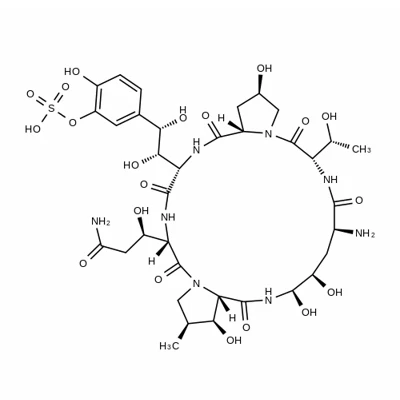
FR - 179642 Micafungin Intermediate is a critical intermediate in the production of micafungin, an antifungal drug. This intermediate is sensitive to temperature and humidity. We store it in a temperature - controlled environment at 2°C - 8°C and use moisture - proof packaging with desiccants. Regular quality control tests are conducted to ensure its stability.
Intermediate Oseltamivir Phosphate Prevents Influenza
Intermediate Oseltamivir Phosphate Prevents Influenza is used in the synthesis of oseltamivir phosphate, a well - known antiviral drug. This intermediate is prone to oxidation, so we use nitrogen blanketing in its storage containers to exclude oxygen. We also store it in an opaque container to protect it from light.
Dalbavancin HCL
Dalbavancin HCL is an intermediate for the production of dalbavancin, an antibacterial drug. This compound is sensitive to high temperatures, so we store it in a cold storage facility. We also monitor the temperature and humidity levels closely to ensure its stability.
Conclusion
Ensuring the stability of pharmaceutical intermediates during storage is a complex but essential task. By understanding the nature of these intermediates, controlling temperature, humidity, light, and oxygen, using proper packaging, implementing effective inventory management, and conducting regular quality control and monitoring, we can guarantee the quality and stability of our products.

If you are in the market for high - quality pharmaceutical intermediates and are interested in learning more about our products and storage practices, we invite you to contact us for a procurement discussion. We are committed to providing you with the best products and services to meet your pharmaceutical production needs.
References
- Pharmaceutical Quality Control: A Practical Guide, Second Edition, by Simon Gaisford and Andrew J. Teagarden.
- Handbook of Pharmaceutical Excipients, Seventh Edition, edited by Raymond C. Rowe, Paul J. Sheskey, and Marian E. Quinn.
- Stability Testing of Pharmaceuticals: A Practical Approach, by Anthony J. Williams.