

Can Ramucirumab Antagonist Be Used in Patients with Bladder Solid Tumors?
Bladder solid tumors are a significant health concern worldwide, with a high incidence and mortality rate. The search for effective treatment options is ongoing, and targeted therapies have emerged as a promising approach. Ramucirumab, a monoclonal antibody that targets the vascular endothelial growth factor receptor 2 (VEGFR - 2), has shown efficacy in various solid tumors. As a supplier of Ramucirumab Antagonist for Solid Tumors, I am often asked about its potential use in patients with bladder solid tumors.
The Biology of Bladder Solid Tumors
Bladder cancer is the ninth most common cancer globally. Most bladder cancers are urothelial carcinomas, which can be either non - muscle - invasive or muscle - invasive. The growth and progression of bladder solid tumors are highly dependent on angiogenesis, the process of forming new blood vessels. Tumor cells secrete various angiogenic factors, such as vascular endothelial growth factor (VEGF), which bind to receptors on endothelial cells, promoting their proliferation, migration, and tube formation. This new blood vessel network provides oxygen and nutrients to the tumor, enabling its growth and metastasis.
Ramucirumab: A Mechanism of Action
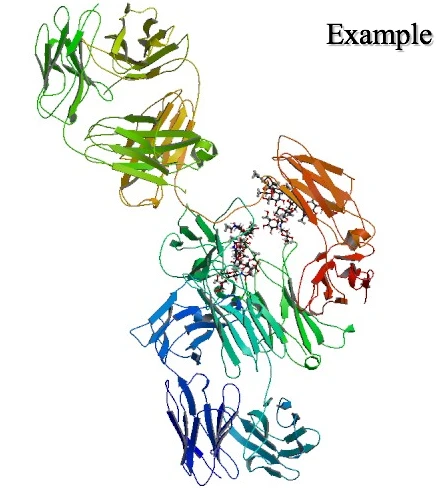
Ramucirumab is a fully human monoclonal antibody that binds to the extracellular domain of VEGFR - 2, preventing VEGF from binding to its receptor. By blocking the VEGF - VEGFR - 2 signaling pathway, Ramucirumab inhibits angiogenesis, tumor growth, and metastasis. In clinical trials, Ramucirumab has been shown to improve overall survival and progression - free survival in patients with advanced gastric, colorectal, and non - small cell lung cancers when used in combination with chemotherapy.
Potential Use in Bladder Solid Tumors
The role of angiogenesis in bladder cancer makes Ramucirumab an attractive candidate for treatment. Pre - clinical studies have demonstrated that VEGF is overexpressed in bladder cancer tissues, and its expression is associated with poor prognosis. By targeting VEGFR - 2, Ramucirumab may be able to disrupt the angiogenic process in bladder solid tumors, leading to tumor regression.
However, the use of Ramucirumab in bladder cancer is still in the early stages of investigation. Clinical trials are needed to determine its safety, efficacy, and optimal dosing in this patient population. Some factors that need to be considered include the stage of the bladder cancer, the presence of other comorbidities, and the potential for drug - related side effects.

Safety and Side Effects
Like all cancer therapies, Ramucirumab has potential side effects. The most common side effects include hypertension, proteinuria, bleeding, and gastrointestinal perforation. These side effects need to be carefully monitored in patients with bladder solid tumors, especially those who may already have compromised renal function or other comorbidities. In addition, the combination of Ramucirumab with chemotherapy may increase the risk of side effects, and the balance between efficacy and safety needs to be carefully evaluated.
Comparison with Other Therapies
There are several other targeted therapies and immunotherapies available for the treatment of bladder cancer. For example, Trastuzumab Monoclonal Antibody Cancer Drug is used in the treatment of HER2 - positive breast cancer and has also shown potential in some other solid tumors. Eculizumab, as described in Eculizumab Is A Monoclonal Antibody, is a monoclonal antibody used in the treatment of certain rare diseases and has also been investigated in some cancer settings. Adalimumab, as mentioned in Adalimumab Rheumatoid Arthritis Ankylosing Spondylitis, is mainly used for autoimmune diseases but may have some off - label uses.
When considering the use of Ramucirumab in bladder solid tumors, it is important to compare it with these existing therapies. Ramucirumab's unique mechanism of action targeting VEGFR - 2 may offer a different approach to treatment, especially in patients who have not responded well to other therapies.
Future Directions
The future of using Ramucirumab in bladder solid tumors looks promising but requires further research. Future studies should focus on identifying biomarkers that can predict response to Ramucirumab, optimizing dosing regimens, and exploring combination therapies. In addition, long - term follow - up studies are needed to evaluate the durability of response and the impact on quality of life.
As a supplier of Ramucirumab Antagonist for Solid Tumors, we are committed to supporting the research and development in this area. We believe that with continued scientific exploration, Ramucirumab may become an important treatment option for patients with bladder solid tumors.
Conclusion
In conclusion, while the use of Ramucirumab antagonist in patients with bladder solid tumors is still in the investigational stage, its potential is significant. The role of angiogenesis in bladder cancer and the mechanism of action of Ramucirumab make it a promising candidate for treatment. However, more clinical trials are needed to establish its safety and efficacy. If you are a researcher, clinician, or institution interested in exploring the use of Ramucirumab Antagonist for Solid Tumors in bladder cancer, we encourage you to contact us for further discussion and potential procurement. We look forward to working with you to advance the field of bladder cancer treatment.
References
- Ferlay J, Ervik M, Lam F, et al. Cancer Today: Global Cancer Observatory. Lyon: International Agency for Research on Cancer; 2020.
- Hurwitz H, Fehrenbacher L, Novotny W, et al. Bevacizumab plus irinotecan, fluorouracil, and leucovorin for metastatic colorectal cancer. N Engl J Med. 2004;350(23):2335 - 2342.
- Van Cutsem E, Kohne CH, Lang I, et al. Ramucirumab monotherapy for previously treated advanced gastric or gastro - oesophageal junction adenocarcinoma (REGARD): an international, randomised, multicentre, placebo - controlled, phase 3 trial. Lancet. 2014;383(9911):31 - 39.