

Deruxtecan antibody-conjugated drugs (ADCs) have emerged as a promising class of cancer therapeutics, offering targeted delivery of potent cytotoxic agents to tumor cells. As a leading supplier of Deruxtecan ADCs, we are committed to understanding the comprehensive impact of these drugs on the human body, including their effects on the urinary system. This blog post aims to explore how Deruxtecan ADCs affect the urinary system, providing valuable insights for healthcare professionals, researchers, and patients alike.
Mechanism of Action of Deruxtecan ADCs
Deruxtecan ADCs are composed of a monoclonal antibody that specifically targets antigens overexpressed on cancer cells, a linker, and a cytotoxic payload. The antibody component binds to the target antigen on the surface of cancer cells, leading to internalization of the ADC into the cell. Once inside the cell, the linker is cleaved, releasing the cytotoxic payload, which then exerts its anti-cancer effects by disrupting essential cellular processes, such as DNA replication and protein synthesis.
Pharmacokinetics and Excretion
The pharmacokinetics of Deruxtecan ADCs play a crucial role in determining their distribution and elimination from the body. After administration, Deruxtecan ADCs circulate in the bloodstream and are gradually taken up by target cells. The metabolism and excretion of these drugs primarily occur through the liver and kidneys.

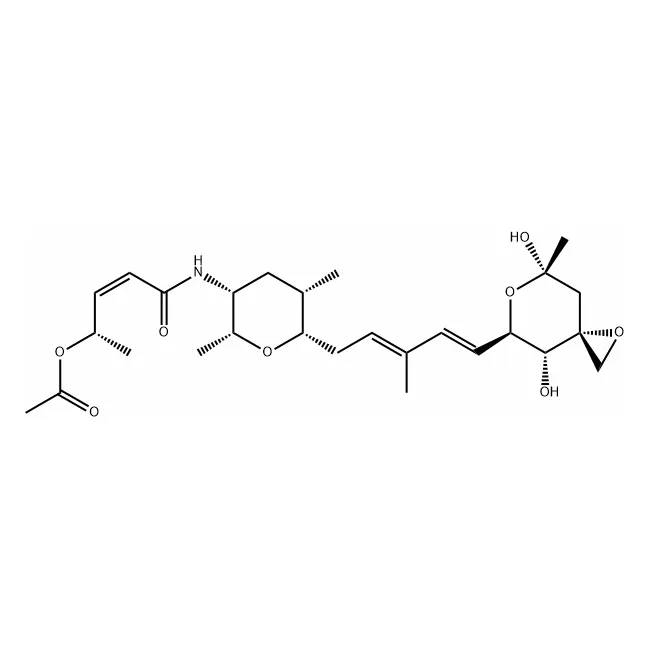
The kidneys play a vital role in filtering waste products and excess substances from the blood, including drugs and their metabolites. Deruxtecan ADCs and their metabolites are filtered by the glomeruli of the kidneys and then either reabsorbed or excreted in the urine. The rate of renal excretion depends on various factors, such as the molecular weight, charge, and solubility of the drug and its metabolites.
Potential Effects on the Urinary System
While Deruxtecan ADCs are designed to target cancer cells specifically, they can also have off-target effects on normal tissues, including the urinary system. The following are some potential effects of Deruxtecan ADCs on the urinary system:
Nephrotoxicity
Nephrotoxicity is a significant concern associated with many chemotherapy drugs, including ADCs. The cytotoxic payload of Deruxtecan ADCs can potentially damage the renal tubular cells, leading to impaired renal function. Symptoms of nephrotoxicity may include decreased urine output, increased blood urea nitrogen (BUN) and creatinine levels, and electrolyte imbalances. In severe cases, nephrotoxicity can progress to acute kidney injury (AKI), which requires immediate medical intervention.
Hematuria
Hematuria, or the presence of blood in the urine, is another potential side effect of Deruxtecan ADCs. The cytotoxic payload may cause damage to the blood vessels in the urinary tract, leading to bleeding. Hematuria can range from microscopic (detected only by laboratory tests) to gross (visible to the naked eye).
Urinary Tract Infections
Deruxtecan ADCs can also increase the risk of urinary tract infections (UTIs). The immunosuppressive effects of these drugs can weaken the body's immune system, making it more susceptible to infections. Additionally, the damage to the urinary tract caused by the drug can provide a portal of entry for bacteria, increasing the likelihood of UTIs.
Bladder Toxicity
The bladder is another potential target of Deruxtecan ADCs. The cytotoxic payload may cause inflammation and damage to the bladder lining, leading to symptoms such as urinary frequency, urgency, and pain. In severe cases, bladder toxicity can progress to hemorrhagic cystitis, a condition characterized by severe bleeding in the bladder.
Monitoring and Management
Given the potential effects of Deruxtecan ADCs on the urinary system, it is essential to monitor patients closely during treatment. Regular urine tests, including urinalysis and urine culture, can help detect early signs of nephrotoxicity, hematuria, and UTIs. Blood tests, such as BUN and creatinine levels, can also provide valuable information about renal function.
If any signs of urinary system toxicity are detected, appropriate management strategies should be implemented. This may include dose adjustment, supportive care, and treatment of any underlying infections. In some cases, discontinuation of the drug may be necessary to prevent further damage to the urinary system.
Research and Development
Ongoing research is focused on improving the safety and efficacy of Deruxtecan ADCs, particularly in terms of their effects on the urinary system. Scientists are exploring various strategies to reduce the off-target effects of these drugs, such as optimizing the linker design and developing more specific antibodies.
In addition, research is being conducted to identify biomarkers that can predict the risk of urinary system toxicity in patients receiving Deruxtecan ADCs. By identifying high-risk patients early, healthcare providers can implement preventive measures and personalized treatment strategies to minimize the impact of these drugs on the urinary system.
Conclusion
Deruxtecan ADCs represent a significant advancement in cancer treatment, offering targeted delivery of potent cytotoxic agents to tumor cells. However, they can also have off-target effects on the urinary system, including nephrotoxicity, hematuria, UTIs, and bladder toxicity. Close monitoring and appropriate management are essential to minimize the risk of these side effects and ensure the safety and well-being of patients.
As a leading supplier of Deruxtecan ADCs, we are committed to supporting the research and development efforts aimed at improving the safety and efficacy of these drugs. We offer a wide range of high-quality ADC payloads, including DM4 Inhibitor Antibody Drug Conjugate, FR901464 Inhibitors Antitumor and Anti-cancer Effect, and MonoMethyl Auristatin E Synthesizes Antitumor Agents, to support the development of innovative cancer therapies.
If you are interested in learning more about our Deruxtecan ADC products or have any questions about their effects on the urinary system, please feel free to contact us. We look forward to discussing how we can support your research and development needs.
References
- "Antibody-Drug Conjugates: Fundamentals, State-of-the-Art, and Future Perspectives." Journal of Medicinal Chemistry.
- "Renal Toxicity of Chemotherapy Agents." Oncologist.
- "Urinary Tract Infections in Cancer Patients." Cancer Treatment Reviews.