

Can nystatin be used for fungal infections in the abdomen?
Fungal infections in the abdomen can be a challenging medical condition, often causing discomfort and potentially serious health issues. As a supplier of Nystatin Is An Antifungal Agent, I am frequently asked whether nystatin can be an effective treatment for these abdominal fungal infections. In this blog, we will delve into the scientific basis of nystatin's use, its effectiveness, and precautions when considering it for treating abdominal fungal infections.
Understanding Nystatin
Nystatin is a well - known antifungal agent. It was first discovered in the 1950s and has been widely used in the medical field ever since. Nystatin works by binding to ergosterol, a key component of the fungal cell membrane. This binding causes the formation of pores in the cell membrane, leading to the leakage of intracellular components and ultimately the death of the fungal cells.
Nystatin has a broad - spectrum antifungal activity. It is effective against a variety of fungi, including Candida species, which are among the most common causes of fungal infections in the human body. Candida infections can occur in many parts of the body, including the mouth, throat, skin, and indeed, the abdomen.
Fungal Infections in the Abdomen
Abdominal fungal infections can have various causes. The most common pathogens are Candida species, which are part of the normal human microbiota but can overgrow under certain conditions. Risk factors for abdominal fungal infections include a weakened immune system (such as in patients with HIV/AIDS, those undergoing chemotherapy, or taking immunosuppressive drugs like Tacrolimus Monohydrate Antibiotic Immunosuppressant), long - term use of antibiotics, diabetes mellitus, and advanced age.
Symptoms of abdominal fungal infections can be diverse and non - specific. They may include abdominal pain, bloating, diarrhea, nausea, vomiting, and in some cases, weight loss. Accurately diagnosing abdominal fungal infections is crucial, often involving a combination of clinical evaluation, laboratory tests (such as blood tests, stool cultures, and endoscopic biopsies), and imaging studies.

The Use of Nystatin for Abdominal Fungal Infections
Oral Formulation
Nystatin is commonly available in an oral suspension or tablet form. For abdominal fungal infections, especially those caused by Candida in the gastrointestinal tract, oral nystatin can be a viable option. When taken orally, nystatin is not significantly absorbed into the bloodstream. It remains in the gastrointestinal tract, where it can directly act on the fungal cells in the gut mucosa.
Numerous clinical studies have shown that oral nystatin can effectively reduce the fungal load in the gut and relieve the symptoms associated with gastrointestinal Candida infections. For example, in patients with candidal esophagitis (a type of abdominal fungal infection involving the esophagus), oral nystatin suspension can help clear the infection and improve swallowing difficulties.
Limitations
However, it's important to note that the effectiveness of nystatin for abdominal fungal infections may be limited in some cases. If the infection has spread beyond the gastrointestinal lumen and into the abdominal cavity (such as in cases of peritonitis caused by fungi), oral nystatin may not be sufficient. In such situations, systemic antifungal agents may be required.
Also, some fungal strains may develop resistance to nystatin over time. Although this is relatively rare, it can pose challenges in the treatment of recurrent or persistent abdominal fungal infections. Regular monitoring of the patient's condition and periodic culture of the fungal pathogen can help detect resistance early.
Precautions and Contraindications
Side Effects
When using nystatin for abdominal fungal infections, patients may experience some side effects. The most common side effects are mild gastrointestinal symptoms, such as nausea, vomiting, and diarrhea. These side effects are usually well - tolerated and resolve once the treatment is completed.
Contraindications
Nystatin is generally safe for most patients. However, it is contraindicated in patients with a known hypersensitivity to nystatin or any of its components. Pregnant women and nursing mothers should also use nystatin with caution, although limited studies suggest that it is relatively safe during pregnancy.
Comparison with Other Treatments
There are other antifungal agents available for treating abdominal fungal infections. For example, Trabectedin Antitumor Drugs may be used in more severe or systemic fungal infections, although they are mainly known for their antitumor properties. Oseltamivir Phosphate Treatment for Influenza A and B is an antiviral drug and not directly related to fungal treatment, but in patients with a weakened immune system due to influenza, their overall health status may affect the course of fungal infections in the abdomen.
Nystatin, on the other hand, is a more targeted and relatively safe option for mild to moderate abdominal fungal infections, especially those localized to the gastrointestinal tract.
The Role of Mineral Supplements
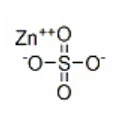
In the treatment of abdominal fungal infections, maintaining a balanced diet and proper nutritional status is crucial. Zinc Sulfate Mineral Supplement can play a role in supporting the immune system. Zinc is an essential trace element involved in many enzymatic reactions and immune functions. A healthy immune system can better fight off fungal infections, and nystatin treatment can be more effective when the body's immune defenses are strong.
Conclusion
In summary, nystatin can be a useful treatment option for abdominal fungal infections, especially those caused by Candida in the gastrointestinal tract. Oral nystatin can directly target the fungal cells in the gut without being significantly absorbed into the bloodstream, reducing the risk of systemic side effects. However, it is not suitable for all types of abdominal fungal infections, especially those that have spread beyond the gastrointestinal lumen.
If you are a medical professional or an institution involved in the treatment of fungal infections and are interested in our Nystatin Is An Antifungal Agent products, we welcome you to contact us to discuss procurement and learn more about our high - quality offerings. We are committed to providing reliable and effective pharmaceutical raw materials to support the fight against fungal infections.
References
- Odds, F. C. (1988). Candida and Candidosis: A Review and Bibliography. Baillière Tindall.
- Perfect, J. R., & Dismukes, W. E. (2002). Medical Mycology: The Pathogenic Fungi and the Pathogenic Actinomycetes. Lippincott Williams & Wilkins.
- Pappas, P. G., Kauffman, C. A., Andes, D., Benjamin, D. K., Calandra, T., Edwards, J. E., ... & Sobel, J. D. (2016). Clinical practice guideline for the management of candidiasis: 2016 update by the Infectious Diseases Society of America. Clinical Infectious Diseases, 62(4), e1 - e50.