

Hey there! As a supplier of Gramicidin Treats Skin Disorders, I've been getting a lot of questions lately about whether Gramicidin can be used to treat scleroderma as a skin disorder. So, I thought I'd dive into this topic and share what I've learned.
First off, let's talk a bit about scleroderma. Scleroderma is a group of rare diseases that cause the skin and connective tissues to harden and tighten. It can affect different parts of the body, including the skin, blood vessels, and internal organs. There are two main types: localized scleroderma, which mainly affects the skin, and systemic scleroderma, which can involve internal organs too. It's a tough condition, and finding effective treatments is a big challenge.
Now, let's get to Gramicidin. Gramicidin is an antibiotic that's been around for a while. It's known for its antibacterial properties and has been used in various topical products to treat skin infections. But can it be used for scleroderma?
The idea of using Gramicidin for scleroderma might seem a bit far - fetched at first. Scleroderma is not primarily a bacterial infection, but rather an autoimmune disorder. However, there are some aspects that make this idea worth exploring.
One of the key problems in scleroderma is the over - production of collagen in the skin. This excessive collagen deposition leads to the hardening and tightening of the skin. Some studies have suggested that Gramicidin might have an impact on the cells involved in collagen production. For example, it could potentially affect the fibroblasts, which are the cells responsible for making collagen. By modulating the activity of these cells, Gramicidin might be able to reduce the excessive collagen production.
Another aspect is the role of inflammation in scleroderma. Inflammation is a major part of the disease process, and it can cause a lot of damage to the skin and other tissues. Gramicidin has been shown to have some anti - inflammatory properties. It can interact with the immune cells in the skin and potentially reduce the inflammation associated with scleroderma.
But it's important to note that while there are these theoretical possibilities, there isn't a whole lot of solid, large - scale research on using Gramicidin specifically for scleroderma. Most of the studies on Gramicidin have focused on its antibacterial effects. So, more research is definitely needed to fully understand its potential in treating scleroderma.
When it comes to using Gramicidin for skin disorders in general, it has a pretty good track record. It's been used in creams, ointments, and other topical formulations to treat things like minor cuts, scrapes, and skin infections. Its antibacterial action helps prevent the growth of bacteria and promotes healing.
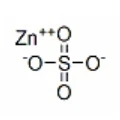

Now, let's talk about some related products that might also be of interest. For example, Zinc Sulfate Mineral Supplement is another product that has some benefits for the skin. Zinc is an essential mineral that plays a role in many biological processes, including wound healing and immune function. It can be used in combination with Gramicidin in some formulations to enhance the treatment of skin disorders.
Fumagillin Is An Antimicrobial Or Antibiotic is also an interesting option. Fumagillin has antibacterial and antifungal properties. It could potentially be used in combination with Gramicidin to target a wider range of pathogens and improve the overall treatment of skin conditions.
And then there's Epothilone B Antitumor Drugs. While scleroderma is not a tumor - related disease, Epothilone B has some properties that might be relevant. It can affect cell growth and division, and in the context of scleroderma, it could potentially have an impact on the abnormal cell behavior associated with the disease.
So, as a supplier of Gramicidin Treats Skin Disorders, I'm really excited about the potential of Gramicidin in treating scleroderma. While we don't have all the answers yet, the theoretical basis is there, and it's definitely an area that deserves more research.
If you're a researcher, a doctor, or someone interested in exploring the use of Gramicidin for scleroderma or other skin disorders, I'd love to hear from you. We can have a chat about how we can work together to further investigate this exciting possibility. Whether you're looking to test Gramicidin in a research setting or incorporate it into a new skin treatment product, we're here to support you.
In conclusion, while the use of Gramicidin for scleroderma is still in the early stages of exploration, there's a lot of potential. With more research and collaboration, we might be able to find new and effective ways to treat this challenging skin disorder. So, if you're interested in learning more or want to discuss potential partnerships, don't hesitate to reach out.
References:
- General medical textbooks on scleroderma and skin disorders
- Research papers on the antibacterial and anti - inflammatory properties of Gramicidin
- Articles on the role of zinc in skin health
- Studies on the properties of Fumagillin and Epothilone B