

Can Caspofungin Acetate Antifungal API be used in combination with other medicines?
As a supplier of Caspofungin Acetate Antifungal API, I often receive inquiries from customers about the possibility of using this API in combination with other medications. In this blog post, I will explore the scientific basis and considerations regarding the combination use of Caspofungin Acetate Antifungal API with other drugs.
Understanding Caspofungin Acetate Antifungal API
Caspofungin Acetate is an antifungal agent that belongs to the echinocandin class. It works by inhibiting the synthesis of β - (1,3) - D - glucan, an essential component of the fungal cell wall. This mechanism of action makes it effective against a wide range of fungal infections, including invasive candidiasis and aspergillosis.
Potential Combinations and Their Rationale
Combination with Antibacterial Agents
In some cases, patients with fungal infections may also be at risk of bacterial infections, especially in immunocompromised individuals. Combining Caspofungin Acetate with antibacterial agents can be a strategic approach. For example, in patients with severe pneumonia where both fungal and bacterial pathogens are suspected, a combination of Caspofungin Acetate and an appropriate antibacterial drug can provide broader coverage. However, it is crucial to consider potential drug - drug interactions. Some antibacterial agents may affect the metabolism or efficacy of Caspofungin Acetate.
Combination with Other Antifungal Agents
Combining Caspofungin Acetate with other antifungal drugs can be beneficial in certain situations. For instance, in cases of refractory or severe fungal infections, a combination therapy may be more effective than monotherapy. One possible combination is with azole antifungals. Azoles work by inhibiting the synthesis of ergosterol, a key component of the fungal cell membrane, while Caspofungin Acetate targets the cell wall. This dual - action approach may enhance the overall antifungal effect. However, there is also a risk of increased toxicity when using multiple antifungal agents.
Considerations for Combination Therapy
Pharmacokinetic Interactions
Pharmacokinetic interactions occur when one drug affects the absorption, distribution, metabolism, or excretion of another drug. For example, some drugs may induce or inhibit the enzymes responsible for metabolizing Caspofungin Acetate. This can lead to changes in the plasma concentration of Caspofungin Acetate, potentially affecting its efficacy and safety. It is essential to carefully review the pharmacokinetic profiles of all drugs involved in the combination therapy.
Pharmacodynamic Interactions
Pharmacodynamic interactions refer to the combined effects of drugs on the body's physiological processes. In the case of Caspofungin Acetate, combining it with other drugs may result in additive, synergistic, or antagonistic effects. Synergistic effects are desirable as they can enhance the therapeutic outcome, while antagonistic effects may reduce the efficacy of the treatment.
Safety and Tolerability
Combination therapy increases the risk of adverse effects. Patients may experience more severe side effects when taking multiple drugs simultaneously. Common side effects of Caspofungin Acetate include nausea, vomiting, and elevated liver enzymes. When combined with other drugs, these side effects may be exacerbated. Therefore, close monitoring of patients is necessary during combination therapy.
Examples of Specific Combinations
Caspofungin Acetate and Furosemide
Furosemide is a powerful diuretic Furosemide Is A Powerful Diuretic. In patients with fungal infections who also have fluid overload or edema, a combination of Caspofungin Acetate and Furosemide may be considered. However, both drugs can affect renal function, so careful monitoring of kidney function is required.
Caspofungin Acetate and Gramicidin
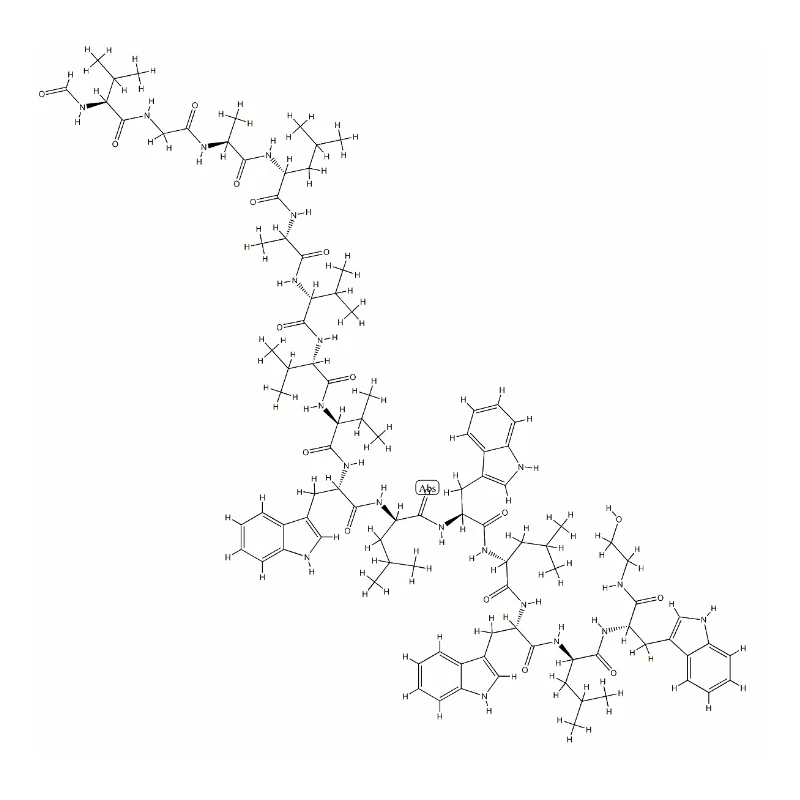
Gramicidin treats skin disorders Gramicidin Treats Skin Disorders. In cases of fungal skin infections that may be complicated by bacterial superinfection, a combination of Caspofungin Acetate and Gramicidin could be a viable option. However, the potential for local irritation and allergic reactions should be considered.
Caspofungin Acetate and Lurbinectedin
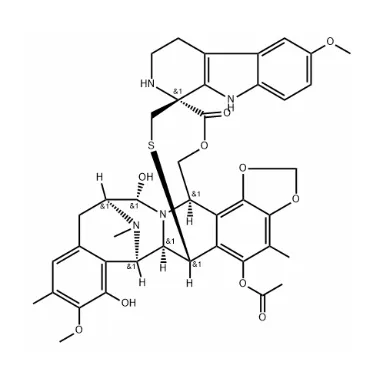
Lurbinectedin is used for small - cell lung cancer Lurbinectedin Small Cell Lung Cancer. In cancer patients who are at high risk of fungal infections due to immunosuppression, a combination of Caspofungin Acetate and Lurbinectedin may be necessary. However, the impact of this combination on the overall treatment outcome and the potential for drug - drug interactions need to be carefully evaluated.
Conclusion
In conclusion, Caspofungin Acetate Antifungal API can be used in combination with other medicines, but it requires careful consideration of pharmacokinetic and pharmacodynamic interactions, as well as safety and tolerability. Before initiating combination therapy, healthcare providers should conduct a thorough assessment of the patient's condition, including their medical history, current medications, and potential risk factors.
If you are interested in purchasing Caspofungin Acetate Antifungal API or have any questions about its combination use with other drugs, please feel free to contact us for further discussion and procurement.
References
- Walsh TJ, Anaissie EJ, Denning DW, et al. Treatment of aspergillosis: clinical practice guidelines of the Infectious Diseases Society of America. Clin Infect Dis. 2008;46(3):327 - 360.
- Pappas PG, Kauffman CA, Andes D, et al. Clinical practice guidelines for the management of candidiasis: 2016 update by the Infectious Diseases Society of America. Clin Infect Dis. 2016;62(4):e1 - e50.
- Rex JH, Walsh TJ, Sobel JD, et al. Practice guidelines for the treatment of candidiasis. Clin Infect Dis. 2000;30(1):662 - 678.