

Fungal pneumonia is a severe and potentially life - threatening condition, especially in immunocompromised patients. In recent years, the role of Caspofungin Acetate Antifungal API in treating fungal pneumonia has become increasingly prominent. As a leading supplier of Caspofungin Acetate Antifungal API, I'd like to share in - depth insights into its role in the treatment of this disease.
Understanding Fungal Pneumonia
Fungal pneumonia is caused by various fungi, such as Aspergillus, Candida, and Pneumocystis jirovecii. These fungi can invade the lungs, leading to inflammation and a range of symptoms, including cough, fever, shortness of breath, and chest pain. Immunocompromised individuals, such as those with HIV/AIDS, undergoing chemotherapy, or on long - term immunosuppressive therapy, are at a higher risk of developing fungal pneumonia.
The treatment of fungal pneumonia is challenging due to the complexity of fungal infections. Fungi have unique cell structures and metabolic pathways, which require specific antifungal agents to target them effectively. Traditional antifungal drugs, such as amphotericin B and fluconazole, have limitations in terms of efficacy and side - effects.
The Mechanism of Action of Caspofungin Acetate Antifungal API
Caspofungin Acetate is an echinocandin antifungal agent. Its mechanism of action is based on inhibiting the synthesis of β - (1,3) - D - glucan, an essential component of the fungal cell wall. By disrupting the synthesis of this glucan, Caspofungin Acetate weakens the fungal cell wall, leading to cell lysis and death.
This mode of action is highly specific to fungi, which means it has a lower risk of affecting human cells compared to some other antifungal drugs. Since human cells do not have a cell wall, the side - effects related to cell - wall targeting are minimized. This makes Caspofungin Acetate a valuable option for the treatment of fungal infections, including fungal pneumonia.
Efficacy in Treating Fungal Pneumonia
Clinical studies have demonstrated the effectiveness of Caspofungin Acetate in treating fungal pneumonia. In patients with invasive aspergillosis, a common form of fungal pneumonia, Caspofungin Acetate has shown comparable efficacy to amphotericin B, but with fewer side - effects.
A large - scale clinical trial involving patients with invasive aspergillosis showed that Caspofungin Acetate had a similar overall response rate as amphotericin B. However, patients treated with Caspofungin Acetate experienced less nephrotoxicity and infusion - related reactions. This is a significant advantage, especially for patients who are already vulnerable due to their underlying medical conditions.
In addition to aspergillosis, Caspofungin Acetate is also effective against other fungal pathogens that cause pneumonia, such as Candida species. It can be used as a first - line or second - line treatment option, depending on the patient's condition and the specific fungal pathogen involved.
Safety Profile
One of the key advantages of Caspofungin Acetate is its relatively good safety profile. Compared to some traditional antifungal drugs, it has fewer severe side - effects. The most common side - effects include mild to moderate infusion - related reactions, such as fever, chills, and headache. These reactions are usually manageable and can be minimized with proper pre - medication and slow infusion rates.
Nephrotoxicity, which is a major concern with some antifungal drugs like amphotericin B, is rare with Caspofungin Acetate. This makes it a more suitable option for patients with pre - existing kidney problems or those at risk of developing kidney damage.
Comparison with Other Antifungal Agents
When compared to other antifungal agents, Caspofungin Acetate has several unique features. For example, compared to azole antifungals like fluconazole, Caspofungin Acetate has a different mechanism of action. Azole antifungals work by inhibiting the synthesis of ergosterol, a component of the fungal cell membrane, while Caspofungin Acetate targets the cell wall. This difference in mechanism can be beneficial in cases where the fungus has developed resistance to azole drugs.

Another advantage is its broad - spectrum activity. While some antifungal agents may be effective against only a limited range of fungi, Caspofungin Acetate has activity against a wide variety of fungal pathogens, including both yeast and mold species.
Our Caspofungin Acetate Antifungal API
As a supplier of Caspofungin Acetate Antifungal API, we are committed to providing high - quality products. Our API is produced under strict quality control standards to ensure its purity, potency, and stability.
We understand the importance of reliable supply in the pharmaceutical industry. That's why we have established a robust supply chain to ensure a continuous and stable supply of Caspofungin Acetate Antifungal API. Our production facilities are equipped with advanced technology and experienced staff, allowing us to meet the diverse needs of our customers.
Related Pharmaceutical Products
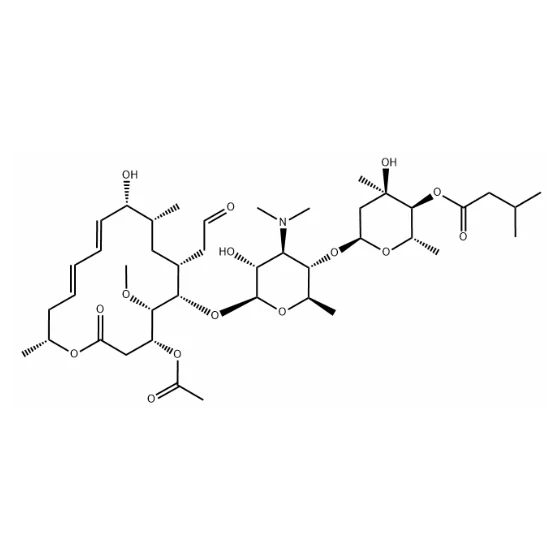
In addition to Caspofungin Acetate Antifungal API, we also offer other pharmaceutical raw materials. For example, Josamycin Is A Macrolide Antibiotic, which is used to treat various bacterial infections. And Fusidine Treats Bacterial Skin Infections, a drug effective against skin - related bacterial infections.
Conclusion
In conclusion, Caspofungin Acetate Antifungal API plays a crucial role in the treatment of fungal pneumonia. Its unique mechanism of action, high efficacy, and good safety profile make it a valuable option for patients suffering from this disease. As a supplier, we are dedicated to providing high - quality Caspofungin Acetate Antifungal API to support the pharmaceutical industry in treating fungal infections.
If you are interested in purchasing our Caspofungin Acetate Antifungal API or have any questions about our products, please feel free to contact us for further discussion and negotiation. We look forward to working with you to combat fungal diseases and improve patient health.
References
- Walsh TJ, et al. Caspofungin versus amphotericin B for empirical antifungal therapy in patients with persistent fever and neutropenia. N Engl J Med. 2002;347(22):1655 - 1662.
- Denning DW, et al. Caspofungin as salvage therapy for invasive aspergillosis. Clin Infect Dis. 2003;36(12):1521 - 1529.
- Pappas PG, et al. Guidelines for the management of candidiasis: 2009 update by the Infectious Diseases Society of America. Clin Infect Dis. 2009;48(5):503 - 535.