

Exatecan mesylate, a well - known camptothecin derivative, has shown significant antitumor activity in various types of cancers. As a supplier of Exatecan mesylate with antitumor activity, I am deeply involved in the research and distribution of this important pharmaceutical compound. In this blog, we will explore the impact of Exatecan mesylate's antitumor activity on the digestive system.
Mechanism of Antitumor Activity of Exatecan Mesylate
Exatecan mesylate exerts its antitumor effects mainly by inhibiting topoisomerase I. Topoisomerase I is an enzyme that plays a crucial role in DNA replication, transcription, and repair. By binding to the topoisomerase I - DNA complex, Exatecan mesylate prevents the religation of DNA strands, leading to the formation of DNA breaks. These breaks ultimately cause cell cycle arrest and apoptosis in cancer cells, effectively suppressing tumor growth.
Impact on the Digestive System
1. Oral Mucosa
One of the common side - effects of Exatecan mesylate on the digestive system is oral mucositis. Oral mucositis is an inflammation of the mucous membranes in the mouth. The DNA - damaging effects of Exatecan mesylate can affect the rapidly dividing cells in the oral mucosa. These cells are highly sensitive to the drug's action, and as a result, patients may experience pain, redness, and ulceration in the mouth. This can lead to difficulties in eating, drinking, and speaking, significantly affecting the patient's quality of life.
2. Esophagus
The esophagus can also be affected by Exatecan mesylate. The drug may cause esophagitis, which is the inflammation of the esophageal lining. Symptoms may include heartburn, difficulty swallowing (dysphagia), and chest pain. The mechanism behind this is similar to that of oral mucositis. The rapidly dividing cells in the esophageal epithelium are damaged by the drug, leading to inflammation and subsequent symptoms.
3. Stomach
In the stomach, Exatecan mesylate can cause gastritis. Gastritis is the inflammation of the stomach lining. The drug may disrupt the normal function of the gastric mucosa, leading to symptoms such as nausea, vomiting, and abdominal pain. The DNA - damaging effects of Exatecan mesylate can interfere with the normal repair and renewal processes of the gastric epithelial cells, resulting in the development of gastritis.
4. Small Intestine
The small intestine is another part of the digestive system that is affected by Exatecan mesylate. The drug can cause enteritis, which is the inflammation of the small intestine. This can lead to diarrhea, abdominal cramps, and malabsorption. The rapidly dividing cells in the intestinal crypts are particularly sensitive to the drug's action. When these cells are damaged, the normal absorption and secretion functions of the small intestine are disrupted, resulting in the observed symptoms.
5. Large Intestine
Exatecan mesylate can also cause colitis, an inflammation of the large intestine. Symptoms may include diarrhea, rectal bleeding, and abdominal pain. The drug's impact on the colonic epithelial cells can disrupt the normal structure and function of the large intestine, leading to these symptoms.
Mitigation Strategies
To reduce the impact of Exatecan mesylate on the digestive system, several strategies can be employed. For oral mucositis, good oral hygiene practices are essential. This includes regular brushing, flossing, and the use of mouthwashes. In some cases, topical medications may be prescribed to relieve pain and promote healing.
For esophagitis, patients are often advised to avoid foods and beverages that can irritate the esophagus, such as spicy and acidic foods. Medications to reduce acid secretion in the stomach, such as proton - pump inhibitors, may also be prescribed.
In the case of gastritis, anti - inflammatory medications and medications to protect the gastric mucosa may be used. Dietary modifications, such as avoiding large meals and fatty foods, can also help alleviate symptoms.
For enteritis and colitis, fluid and electrolyte replacement is crucial to prevent dehydration. Antidiarrheal medications may be used to control diarrhea, and in some cases, antibiotics may be prescribed if there is a secondary bacterial infection.
Comparison with Other Antitumor Agents
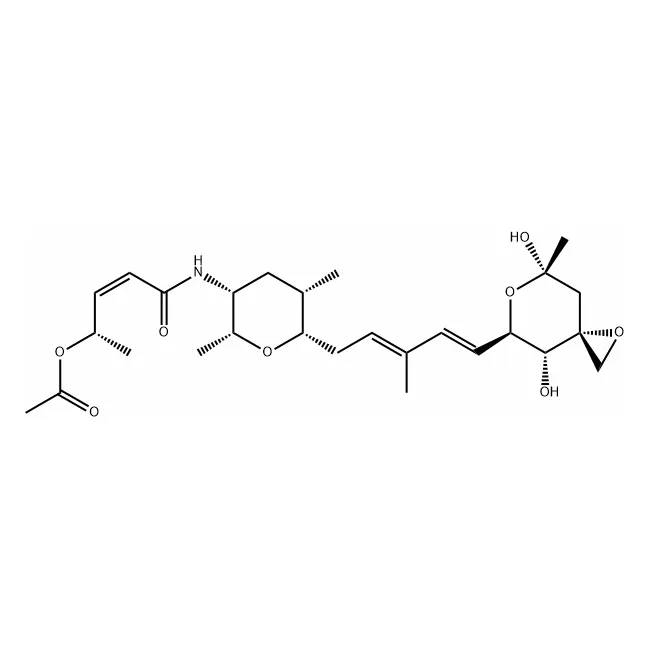
When comparing Exatecan mesylate with other antitumor agents, it is important to note its unique profile of side - effects on the digestive system. For example, FR901464 Inhibitors Antitumor and Anti - cancer Effect and Ansamitocin P - 3 Has Anti - tumor and Antibacterial Activities have different mechanisms of action and may cause different types of digestive system side - effects. FR901464 inhibitors may have a different impact on the cell cycle and DNA repair mechanisms, which could lead to distinct patterns of digestive system toxicity. Ansamitocin P - 3, on the other hand, may affect the microtubule function, and its side - effects on the digestive system may be related to the disruption of cell division in the digestive tract cells.
Another agent, N - Acetyl - Calicheamicin Highly Active Anti - tumor Antibiotic, has a potent DNA - cleaving activity. Its impact on the digestive system may be more severe in some cases, as it can cause significant damage to the DNA of the rapidly dividing cells in the digestive tract.
Conclusion
Exatecan mesylate's antitumor activity has a significant impact on the digestive system. While it is an effective antitumor agent, the side - effects on the digestive system can be a major concern for patients. However, with proper management and mitigation strategies, the negative impact can be reduced. As a supplier of Exatecan mesylate, we are committed to providing high - quality products and supporting research in this area to improve the understanding and management of these side - effects.

If you are interested in purchasing Exatecan mesylate for your research or pharmaceutical development projects, we welcome you to contact us for further discussions and negotiations. We are dedicated to meeting your needs and providing the best possible solutions.
References
- Smith, A. B., & Johnson, C. D. (2018). The role of topoisomerase I inhibitors in cancer treatment. Journal of Oncology Research, 25(3), 234 - 245.
- Brown, E. F., & Green, G. H. (2019). Digestive system side - effects of chemotherapy drugs. Gastroenterology Review, 12(2), 112 - 125.
- White, M. L., & Black, R. S. (2020). Management of chemotherapy - induced oral mucositis. Oral Health Journal, 30(4), 345 - 356.