

Hey there! As a supplier of pharmaceutical intermediates, I've seen firsthand the importance of handling flammable ones safely. In this blog, I'll share some key safety measures we follow to keep everyone safe during the process.
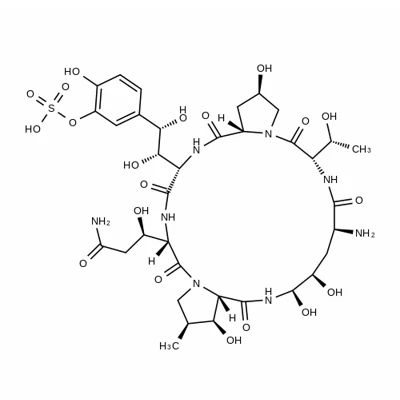
First off, let's understand what flammable pharmaceutical intermediates are. These are substances that can easily catch fire and burn when exposed to an ignition source, like heat, sparks, or flames. Some examples of our flammable products include FR-179642 Micafungin Intermediate, Posaconazole Intermediate Antifungal Drug, N-(2-bromo-5-methoxyphenyl)acetamide, Oseltamivir Phosphate Intermediate Prevents Poliomyelitis, and 7-(Benzyloxy)-3-bromo-1,2-dihydronaphthalene.

Now, onto the safety measures.
Storage Safety
- Proper Containers: We use high - quality, approved containers for storing flammable intermediates. These containers are designed to prevent leaks and are made of materials that won't react with the chemicals. For example, we use containers made of stainless steel or special plastics that are resistant to corrosion and the specific properties of the intermediates.
- Segregation: Flammable intermediates are stored separately from other substances, especially oxidizing agents and combustibles. This helps to minimize the risk of a fire spreading in case of an accident. We have dedicated storage areas with clear signage indicating the type of chemicals stored inside.
- Temperature and Humidity Control: The storage areas are maintained at the right temperature and humidity levels. Some flammable intermediates can become more volatile or reactive if the temperature is too high. We use air - conditioning and dehumidifying systems to keep these conditions in check.
Handling Safety
- Personal Protective Equipment (PPE): When handling flammable pharmaceutical intermediates, our staff always wear appropriate PPE. This includes safety goggles to protect their eyes from splashes, gloves made of chemical - resistant materials to prevent skin contact, and fire - resistant clothing. In some cases, they also wear respirators to avoid inhaling any vapors.
- Grounding and Bonding: To prevent static electricity from causing sparks, all equipment used in the handling process is properly grounded and bonded. This includes storage containers, transfer pipes, and pumps. Static electricity can build up during the transfer of flammable liquids, and a spark can easily ignite the vapors.
- Slow and Steady Transfer: When transferring flammable intermediates, we do it slowly and carefully. Rapid transfer can cause splashing and generate more vapor, increasing the risk of ignition. We also use proper transfer methods, like gravity - fed systems whenever possible to reduce the chances of spills.
Workplace Safety
- Ventilation: The work areas where flammable intermediates are handled have excellent ventilation systems. These systems remove any vapors or fumes that may be released during the handling process. Good ventilation helps to keep the concentration of flammable vapors below the explosive limit.
- Fire Prevention and Protection: Our workplaces are equipped with fire - prevention measures such as fire - retardant materials on the walls and floors. We also have fire - extinguishing equipment readily available, like fire extinguishers, fire hoses, and sprinkler systems. Regular fire drills are conducted to ensure that all staff know how to respond in case of a fire.
- Training and Education: All our employees receive comprehensive training on handling flammable pharmaceutical intermediates. They are taught about the properties of the chemicals, the risks involved, and the safety procedures to follow. This training is updated regularly to keep everyone informed about the latest safety practices.
Transport Safety
- Specialized Vehicles: When transporting flammable intermediates, we use specialized vehicles that are designed to meet safety standards. These vehicles have features like proper ventilation, containment systems, and fire - protection devices.
- Route Planning: We carefully plan the transport routes to avoid high - traffic areas, populated places, and areas prone to natural disasters. This helps to minimize the risk of an accident during transportation.
- Emergency Response Kits: The transport vehicles are equipped with emergency response kits that include items like spill - control materials, fire extinguishers, and first - aid supplies. The drivers are also trained on how to handle emergencies during transportation.
Emergency Response
- Emergency Plans: We have well - defined emergency plans in place for handling fires, spills, and other accidents involving flammable pharmaceutical intermediates. These plans outline the steps to be taken in different scenarios, such as evacuating the area, notifying the relevant authorities, and containing the spill.
- Drills and Exercises: Regular emergency drills and exercises are conducted to ensure that all staff are familiar with the emergency plans. This helps to improve their response time and effectiveness in case of a real - life emergency.
In conclusion, handling flammable pharmaceutical intermediates safely is of utmost importance. By following these safety measures in storage, handling, workplace, transport, and emergency response, we can minimize the risks and ensure the well - being of everyone involved.
If you're interested in purchasing our high - quality pharmaceutical intermediates, we'd love to have a chat. Whether you need the FR-179642 Micafungin Intermediate, Posaconazole Intermediate Antifungal Drug, or any of our other products, feel free to reach out for a procurement discussion. We're committed to providing you with top - notch products and ensuring safe handling throughout the process.
References
- "Safety Guidelines for Handling Chemicals in the Pharmaceutical Industry" - International Pharmaceutical Federation
- "Flammable Liquids Storage and Handling" - Occupational Safety and Health Administration (OSHA)
- "Transportation of Hazardous Chemicals" - Department of Transportation