

Hey there! I'm a supplier of pharmaceutical intermediates, and I've been in this industry for quite a while. Today, I want to chat about the potential health hazards that workers in pharmaceutical intermediate production might face. It's a topic that doesn't get enough attention, but it's super important for everyone involved in this field.
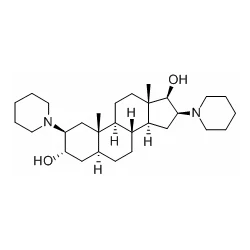
First off, let's talk about what pharmaceutical intermediates are. These are the chemicals that are used in the synthesis of drugs. They're like the building blocks that go into making the final pharmaceutical products we're all familiar with. As a supplier, I deal with all sorts of these intermediates, like Echinocandin B Nucleus Hydrochloride, Rocuronium Bromide Intermediate Drug Synthesis, and 1,1-Dimethylethyl-N-ethyl-N-[2-(4-formylphenyl)ethyl]carbamate.
Now, let's dive into the health hazards. One of the most common risks is chemical exposure. Workers in this industry are often in close contact with a wide range of chemicals, many of which can be toxic. For example, some intermediates might be carcinogenic, meaning they can cause cancer. Others could be mutagenic, which means they can damage DNA and lead to genetic mutations. And then there are the chemicals that can cause respiratory problems, like asthma or chronic obstructive pulmonary disease (COPD).
When workers handle these chemicals, they can be exposed through inhalation, skin contact, or ingestion. Inhalation is a big concern because many of these chemicals are in the form of dusts, fumes, or vapors. If workers breathe in these particles, they can end up in the lungs and cause all sorts of problems. Skin contact is also a major issue. Some chemicals can cause skin irritation, burns, or allergic reactions. And if the chemicals are absorbed through the skin, they can enter the bloodstream and affect other parts of the body.

Another health hazard is the risk of physical injuries. The production of pharmaceutical intermediates often involves working with heavy equipment, sharp tools, and high-pressure systems. Workers can easily get injured if they're not careful. For example, they could get cut by a sharp blade, crushed by a heavy machine, or burned by hot chemicals. And let's not forget about the risk of falls. Many production facilities have multiple levels, and if workers aren't using proper safety equipment or following safety procedures, they could fall and seriously hurt themselves.
Stress is also a significant factor. The pharmaceutical intermediate production industry is highly regulated, and there's a lot of pressure to meet quality and production targets. Workers often have to work long hours, sometimes in shifts, which can disrupt their sleep patterns and lead to fatigue. This fatigue can increase the risk of accidents and also have a negative impact on their mental health. Stress can also contribute to other health problems, like high blood pressure, heart disease, and depression.
Now, let's talk about how we can mitigate these health hazards. First and foremost, proper training is essential. Workers need to be trained on how to handle chemicals safely, how to use equipment correctly, and what to do in case of an emergency. They should also be educated about the potential health risks associated with the chemicals they're working with and how to protect themselves.
Safety equipment is another crucial aspect. Workers should be provided with appropriate personal protective equipment (PPE), such as gloves, goggles, respirators, and protective clothing. This PPE can help prevent chemical exposure and physical injuries. And the equipment should be regularly inspected and maintained to ensure it's in good working condition.
In addition to training and safety equipment, the work environment also needs to be designed with safety in mind. Production facilities should have proper ventilation systems to remove harmful chemicals from the air. There should also be clear signage and markings to indicate potential hazards and safety procedures. And regular safety audits should be conducted to identify and address any potential issues.
As a supplier, I understand the importance of ensuring the safety of workers in the production of pharmaceutical intermediates. That's why I work closely with manufacturers to provide them with high-quality intermediates that meet strict safety standards. I also stay up-to-date on the latest research and regulations in the industry to ensure that I'm providing the best possible products.
If you're in the pharmaceutical industry and are interested in purchasing high-quality pharmaceutical intermediates, feel free to reach out to me. I'm always happy to have a chat and discuss how I can meet your needs. Together, we can ensure the safety and quality of the pharmaceutical products that are essential for our health.
References:
- Occupational Safety and Health Administration (OSHA) guidelines for chemical handling and safety in the pharmaceutical industry.
- Research studies on the health effects of chemical exposure in the pharmaceutical intermediate production field.
- Industry best practices for worker safety in pharmaceutical manufacturing.