

Isavuconazonium sulfate is a broad - spectrum antifungal agent that has gained significant attention in the medical field for the treatment of invasive fungal infections. As a supplier of Isavuconazonium Sulfate Antifungal Drugs, understanding the monitoring requirements when using this drug is crucial for ensuring its safe and effective use. This blog post will delve into the various aspects of monitoring when Isavuconazonium sulfate is employed as an antifungal treatment.
Therapeutic Drug Monitoring
One of the primary monitoring requirements for Isavuconazonium sulfate is therapeutic drug monitoring (TDM). TDM involves measuring the concentration of the drug in the patient's blood to ensure that it is within the therapeutic range. Isavuconazonium sulfate is a prodrug that is rapidly converted to isavuconazole in the body. The therapeutic range of isavuconazole is not yet fully established, but studies suggest that trough concentrations of 1 - 2 mg/L may be associated with optimal efficacy and safety.
Regular blood sampling is necessary to measure the drug concentration. Trough levels are typically measured just before the next dose. If the concentration is below the therapeutic range, the dose may need to be increased to achieve the desired effect. Conversely, if the concentration is above the range, the risk of adverse effects may increase, and the dose may need to be adjusted accordingly.
Clinical Monitoring
In addition to TDM, clinical monitoring is essential. This includes assessing the patient's symptoms, vital signs, and overall clinical status. The patient's response to the treatment should be evaluated regularly. Signs of improvement in the fungal infection, such as reduction in fever, improvement in respiratory symptoms (if the infection is in the lungs), and resolution of skin lesions (if applicable), should be monitored.
Vital signs, including temperature, blood pressure, heart rate, and respiratory rate, should be checked regularly. Any significant changes in these parameters may indicate either a response to the treatment or the development of adverse effects. For example, a sudden increase in heart rate or a drop in blood pressure could be a sign of an adverse reaction to the drug.
Laboratory Monitoring
Laboratory tests are also an important part of the monitoring process. Routine blood tests should be conducted to assess liver and kidney function. Isavuconazonium sulfate may cause liver and kidney toxicity in some patients. Liver function tests, such as alanine aminotransferase (ALT), aspartate aminotransferase (AST), and bilirubin levels, should be monitored regularly. Elevated levels of these enzymes may indicate liver damage.
Kidney function can be assessed by measuring serum creatinine and blood urea nitrogen (BUN) levels. Any significant changes in these values may suggest kidney impairment. Additionally, complete blood counts (CBC) should be performed to monitor for any changes in white blood cell, red blood cell, and platelet counts. A decrease in white blood cell count may increase the patient's risk of infection, while a decrease in platelet count may lead to bleeding problems.
Drug - Drug Interaction Monitoring
Isavuconazonium sulfate has the potential to interact with other drugs. It is a substrate and inhibitor of the cytochrome P450 (CYP) enzyme system, particularly CYP3A4. Therefore, it is important to monitor for drug - drug interactions when Isavuconazonium sulfate is used in combination with other medications.
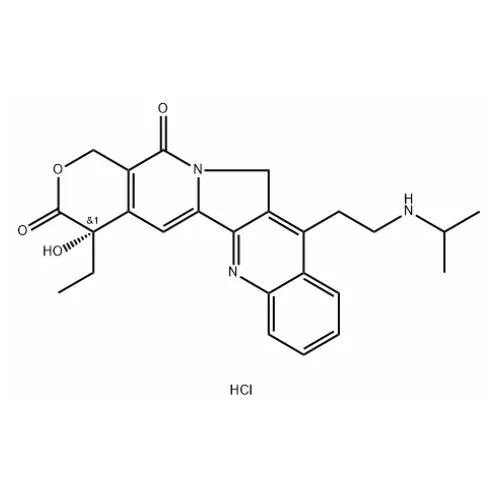
For example, drugs that are inhibitors of CYP3A4, such as Camtobell Hydrochloride Is An Inhibitor, may increase the plasma concentration of isavuconazole, leading to an increased risk of adverse effects. On the other hand, drugs that are inducers of CYP3A4 may decrease the plasma concentration of isavuconazole, reducing its efficacy.
When prescribing Isavuconazonium sulfate, a thorough review of the patient's medication history should be conducted to identify potential drug - drug interactions. If necessary, the dose of Isavuconazonium sulfate or the interacting drug may need to be adjusted.
Adverse Reaction Monitoring
Patients using Isavuconazonium sulfate should be closely monitored for adverse reactions. Common adverse reactions include nausea, vomiting, diarrhea, headache, and rash. These symptoms are usually mild and can often be managed with supportive care.
However, more serious adverse reactions, such as liver toxicity, kidney toxicity, and allergic reactions, may also occur. Patients should be educated about the signs and symptoms of these serious adverse reactions, such as jaundice (a sign of liver toxicity), decreased urine output (a sign of kidney toxicity), and difficulty breathing (a sign of an allergic reaction). If any of these symptoms occur, the patient should seek medical attention immediately.
Special Populations Monitoring
Special populations, such as elderly patients, patients with liver or kidney impairment, and pregnant or breastfeeding women, require additional monitoring. Elderly patients may be more susceptible to the adverse effects of Isavuconazonium sulfate due to age - related changes in drug metabolism and organ function.
Patients with liver or kidney impairment may require dose adjustments based on their liver or kidney function. For example, in patients with severe liver impairment, the use of Isavuconazonium sulfate may be contraindicated or require a significant dose reduction.
Pregnant and breastfeeding women should be carefully monitored as the safety of Isavuconazonium sulfate in these populations is not fully established. Although animal studies have not shown significant teratogenic effects, caution should be exercised when using this drug during pregnancy.

Long - Term Monitoring
For patients who require long - term treatment with Isavuconazonium sulfate, long - term monitoring is necessary. This includes regular follow - up visits to assess the patient's overall health, the effectiveness of the treatment, and the development of any long - term adverse effects.
Long - term use of Isavuconazonium sulfate may be associated with the development of resistance in the fungal pathogens. Therefore, periodic fungal cultures and susceptibility testing should be performed to monitor for the emergence of resistant strains.
Conclusion
In conclusion, the monitoring requirements when using Isavuconazonium sulfate as an antifungal are multi - faceted. Therapeutic drug monitoring, clinical monitoring, laboratory monitoring, drug - drug interaction monitoring, adverse reaction monitoring, and monitoring of special populations are all essential for ensuring the safe and effective use of this drug.
As a supplier of Isavuconazonium Sulfate Antifungal Drugs, we are committed to providing high - quality products and supporting healthcare professionals in the proper use of our medications. If you are interested in purchasing our Isavuconazonium Sulfate Antifungal Drugs or have any questions about its use and monitoring, please feel free to contact us for further discussion and procurement negotiation.
References
- Hope WW, Ullmann AJ. Isavuconazole: a new broad - spectrum triazole antifungal. Clin Microbiol Infect. 2013;19(10):915 - 922.
- Cornely OA, Maertens J, Bresnik M, et al. Isavuconazole versus voriconazole for primary treatment of invasive mould disease caused by Aspergillus and other filamentous fungi (SECURE): a phase 3, randomised, double - blind, multicentre study. Lancet. 2015;385(9978):1261 - 1271.
- Pfaller MA, Diekema DJ. Epidemiology of invasive candidiasis: a persistent public health problem. Clin Microbiol Rev. 2007;20(1):133 - 163.