

Hey there, fellow pet lovers! As a veterinary drug supplier, I've seen my fair share of pet owners struggling to administer medications to their furry friends. It can be a real headache, especially when your pet is a bit of a handful. But don't worry, I'm here to share some tips and tricks to make the process a whole lot easier.
First things first, it's important to understand why your pet might be difficult to handle when it comes to taking medication. Some pets are just naturally skittish or stubborn, while others may have had a bad experience with medication in the past. Whatever the reason, it's important to approach the situation with patience and understanding.
One of the most common methods of administering veterinary drugs is by mixing them with your pet's food. This can be a great option for pets who are food-motivated, but it's important to make sure the medication is completely mixed in and that your pet eats the entire dose. If your pet is a picky eater, you may need to get creative with the food you use. Some pets love wet food, while others prefer treats or even human food. Just make sure the food you choose is safe for your pet and doesn't interfere with the medication.
Another option is to use a pill pocket. These are soft, chewy treats that are designed to hold a pill or capsule. They come in a variety of flavors, so you can find one that your pet will love. To use a pill pocket, simply insert the medication into the center of the treat and give it to your pet. Most pets will happily gobble it up without even realizing they're taking medication.
If your pet is still resistant to taking medication, you may need to try a different approach. One option is to use a syringe or dropper to administer liquid medication. This can be a bit more challenging, but it can also be more effective. To use a syringe or dropper, simply draw up the medication and place the tip of the syringe or dropper in the corner of your pet's mouth. Gently squeeze the syringe or dropper to release the medication, and then hold your pet's mouth closed for a few seconds to make sure they swallow.
Another option is to use a pill gun. This is a device that is designed to shoot a pill or capsule into your pet's mouth. It can be a bit intimidating at first, but it can also be very effective. To use a pill gun, simply load the pill or capsule into the gun and place the tip of the gun in the back of your pet's mouth. Press the trigger to release the pill or capsule, and then hold your pet's mouth closed for a few seconds to make sure they swallow.
It's important to note that not all medications can be administered in the same way. Some medications need to be given on an empty stomach, while others need to be given with food. Make sure you read the instructions carefully and follow them exactly. If you have any questions or concerns, don't hesitate to ask your veterinarian.
In addition to these tips, there are a few other things you can do to make the process of administering veterinary drugs easier. First, make sure you have everything you need before you start. This includes the medication, a syringe or dropper, a pill pocket, or a pill gun. You may also want to have some treats on hand to reward your pet for taking their medication.
Second, try to make the experience as positive as possible. Talk to your pet in a calm, soothing voice and give them plenty of praise and affection. You may also want to try using a distraction, such as a toy or a treat, to keep your pet calm and focused.
Finally, don't be afraid to ask for help. If you're having trouble administering medication to your pet, your veterinarian or a veterinary technician may be able to provide some additional guidance and support.
Now, let's talk about some of the veterinary drugs that we offer at our company. We have a wide range of products to meet the needs of all types of pets, including dogs, cats, and horses. Some of our most popular products include:
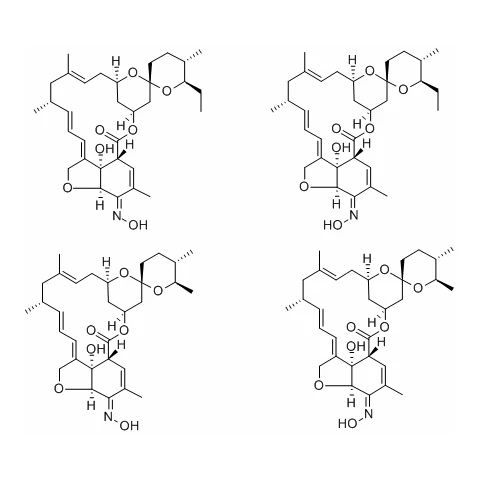
- Milbemycin Oxime Antiparasitic Drug Insecticide: This is a highly effective antiparasitic drug that is used to treat a variety of parasites, including heartworms, roundworms, and hookworms. It is available in both tablet and chewable forms, making it easy to administer to your pet.
- Doramectin Veterinary Drugs Anti-parasitic Antibiotics: This is a powerful anti-parasitic antibiotic that is used to treat a variety of parasites, including mites, lice, and ticks. It is available in both injectable and topical forms, making it easy to administer to your pet.
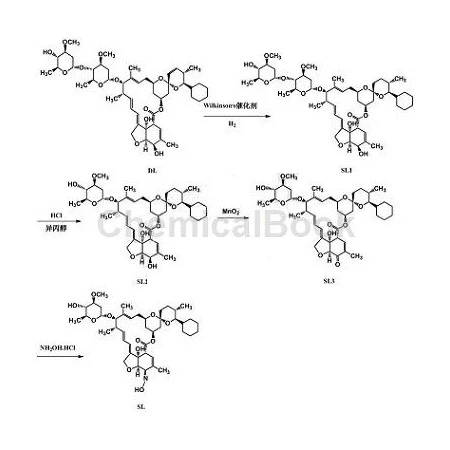
- Selamectin Antiparasitic Drug Insecticide Animal Raw Material: This is a highly effective antiparasitic drug that is used to treat a variety of parasites, including fleas, ticks, and heartworms. It is available in both topical and oral forms, making it easy to administer to your pet.
If you're interested in learning more about our veterinary drugs or would like to place an order, please don't hesitate to contact us. We're here to help you keep your pets healthy and happy.
In conclusion, administering veterinary drugs to a difficult-to-handle pet can be a challenge, but it doesn't have to be. By following these tips and using the right products, you can make the process a whole lot easier. And if you have any questions or concerns, don't hesitate to ask your veterinarian or a veterinary technician. They're there to help you and your pet.
References
- "Veterinary Pharmacology and Therapeutics" by Jim E. Riviere and Mark G. Papich
- "The Merck Veterinary Manual" by Merck & Co., Inc.
- "Clinical Veterinary Advisor: Dogs and Cats" by Linda P. Case, M.S., D.V.M., Ph.D.