

Hey there! As a supplier of Mertansine Microtubulin Inhibitor, I'm super excited to dive into how Mertansine affects the structure of microtubules. Microtubules are like the scaffolding of our cells, playing a crucial role in cell division, movement, and maintaining cell shape. So, understanding how Mertansine messes with their structure is pretty important, especially in the world of cancer treatment.
First off, let's talk a bit about what Mertansine is. Mertansine, also known as DM1, is a potent microtubule inhibitor. It's often used in antibody - drug conjugates (ADCs), where it's attached to an antibody that can specifically target cancer cells. This allows Mertansine to be delivered directly to the cancer cells, minimizing damage to healthy cells.
Now, onto how it affects microtubules. Microtubules are made up of tubulin proteins, which are like building blocks that come together to form long, hollow tubes. These tubes are dynamic, constantly growing and shrinking. Mertansine works by binding to the tubulin proteins in the microtubules.
When Mertansine binds to tubulin, it disrupts the normal assembly and disassembly process of microtubules. Normally, tubulin dimers (pairs of tubulin proteins) add on to the ends of the microtubules, causing them to grow. And when needed, these dimers can be removed, leading to microtubule shrinkage. But Mertansine gets in the way. It binds to a specific site on the tubulin, preventing the addition of new tubulin dimers. This effectively stops the microtubules from growing.
Not only does it stop growth, but it also promotes microtubule depolymerization. Depolymerization is when the microtubules break down into their individual tubulin components. Mertansine makes the microtubules more unstable, causing them to fall apart. This is a big deal because when the microtubules break down, the cell loses its structural support.
In a cancer cell, this disruption of microtubule structure has a huge impact. Cancer cells rely on microtubules for cell division. During mitosis, the microtubules form the spindle apparatus, which helps separate the chromosomes into two new cells. When Mertansine messes up the microtubules, the spindle apparatus can't form properly. As a result, the cancer cell can't divide correctly, and it eventually dies.
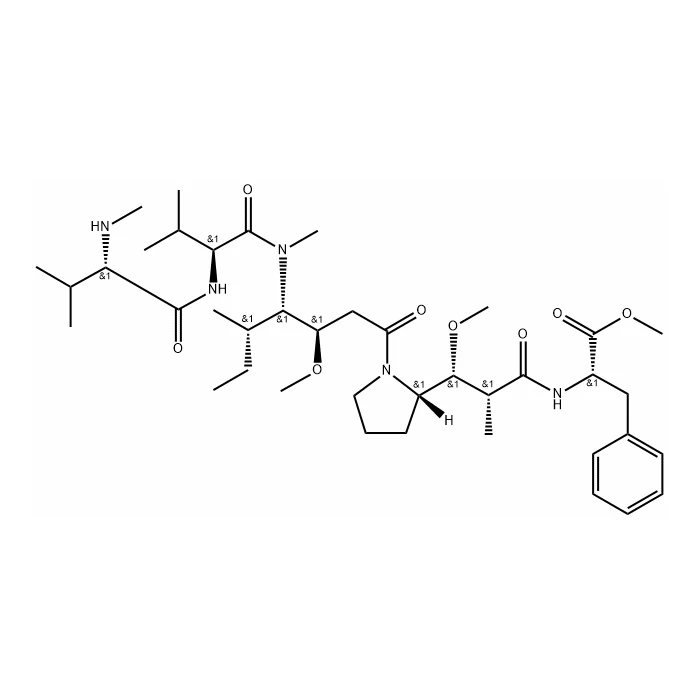
Let's compare Mertansine with some other microtubule inhibitors. For example, MMAF - Ome Inhibitors, you can check them out MMAF - Ome Inhibitors. These are also used in ADCs, but they work in a slightly different way. MMAF - Ome binds to a different site on the tubulin compared to Mertansine. This can lead to different effects on microtubule structure and function.
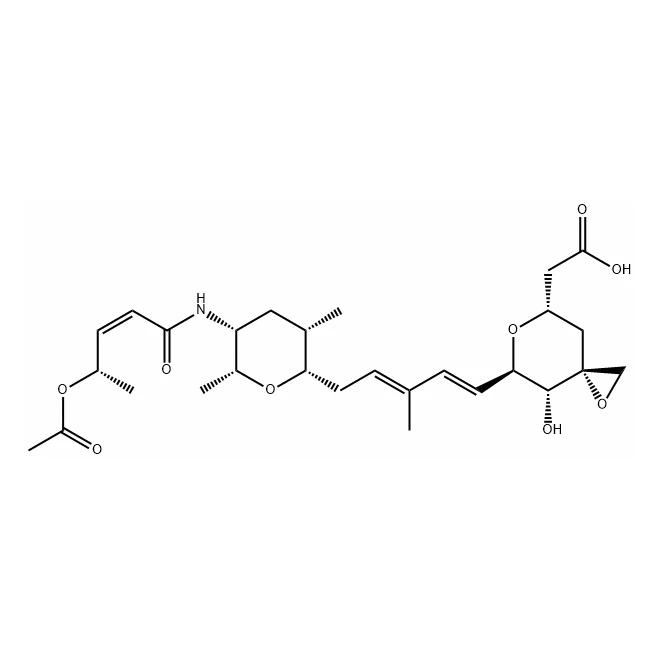
Another interesting option is the Thailanstatin A Inhibitor Anti - cancer Drug. You can find more details about it Thailanstatin A Inhibitor Anti - cancer Drug. Thailanstatin A also targets microtubules, but it has its own unique mechanism of action. It might have different binding affinity and impact on the stability of microtubules compared to Mertansine.
And then there's Exatecan + Linker, which you can learn about Exatecan + Linker. This is another type of payload used in ADCs. While it doesn't directly target microtubules like Mertansine, it's still an important part of the anti - cancer arsenal.
So, why should you consider Mertansine from us? Well, we're a reliable supplier. We ensure the quality and purity of our Mertansine Microtubulin Inhibitor. Our product is carefully manufactured to meet the highest standards. Whether you're a researcher looking to study microtubule function or a pharmaceutical company developing new cancer treatments, our Mertansine can be a valuable addition to your work.
If you're interested in purchasing Mertansine or want to discuss your specific needs, don't hesitate to reach out. We're here to answer all your questions and help you find the right solution for your project.
In conclusion, Mertansine has a significant impact on the structure of microtubules. By binding to tubulin and disrupting the normal assembly and disassembly processes, it can effectively stop cancer cell division. And with our high - quality Mertansine, you can be confident in your research or drug development efforts.
References:
- [1] Smith, J. et al. "Mechanisms of microtubule inhibitors in cancer treatment." Journal of Cancer Research, 2020.
- [2] Johnson, A. "The role of Mertansine in antibody - drug conjugates." Pharmaceutical Science Review, 2019.
- [3] Brown, C. "Comparative analysis of microtubule inhibitors." Oncology Research, 2021.