

Hey there! As a supplier of Amphotericin B polyene antifungal drugs, I've been getting a bunch of questions lately about how these drugs interact with anti - hypertensive medications. So, I thought I'd write this blog to share some insights on this topic.
First off, let's talk a bit about Amphotericin B. It's a powerful polyene antifungal drug that's been around for a long time. It works by binding to ergosterol in the fungal cell membrane, creating pores that cause leakage of cellular contents and eventually lead to the death of the fungus. It's often used to treat serious systemic fungal infections, like those caused by Candida, Aspergillus, and Cryptococcus.
On the other hand, anti - hypertensive medications are used to control high blood pressure. There are different types of them, such as diuretics, beta - blockers, ACE inhibitors, and calcium channel blockers. Each type works in a different way to lower blood pressure and keep the cardiovascular system in check.
Now, the interaction between Amphotericin B and anti - hypertensive medications is a complex issue. One of the main concerns is the effect on the kidneys. Amphotericin B is known to be nephrotoxic, which means it can cause damage to the kidneys. When used in combination with some anti - hypertensive drugs, especially diuretics, the risk of kidney damage can be increased. Diuretics work by increasing urine output, and if the kidneys are already under stress from Amphotericin B, this can lead to a further decline in kidney function.
For example, loop diuretics like furosemide are often used to treat high blood pressure and fluid overload. When used with Amphotericin B, they can cause a significant decrease in blood volume and electrolyte imbalance. This can lead to symptoms like dizziness, weakness, and in severe cases, kidney failure. So, doctors need to be really careful when prescribing these two types of drugs together. They'll usually monitor the patient's kidney function closely and adjust the dosages as needed.
Another type of anti - hypertensive medication, ACE inhibitors, can also have an interaction with Amphotericin B. ACE inhibitors work by blocking the production of a hormone called angiotensin II, which helps to relax blood vessels and lower blood pressure. Amphotericin B can cause changes in the body's fluid and electrolyte balance, and when combined with ACE inhibitors, it can further disrupt the normal regulation of blood pressure. This might result in an unexpected drop in blood pressure, which can be dangerous, especially for elderly patients or those with pre - existing heart conditions.
Calcium channel blockers are also commonly used to treat high blood pressure. These drugs work by blocking the entry of calcium into the cells of the heart and blood vessels, which helps to relax the blood vessels and lower blood pressure. When used with Amphotericin B, there might be an increased risk of electrolyte imbalances, particularly low levels of potassium and magnesium. These imbalances can affect the normal functioning of the heart and muscles, leading to symptoms like irregular heartbeats and muscle cramps.
Now, let's talk about some of the other drugs in the pharmaceutical world that are related to what we're discussing. Daunorubicin Hydrochloride Is An Antitumor Antibiotic. It's an important drug in the treatment of certain types of cancer. Although it's not directly related to the interaction between Amphotericin B and anti - hypertensive medications, it shows the diversity of drugs in the medical field.
Bacitracin Zinc Is An Antibiotic. This antibiotic is often used topically to treat skin infections. It works by preventing the growth of bacteria. Just like Amphotericin B, it has its own set of mechanisms of action and potential side - effects.
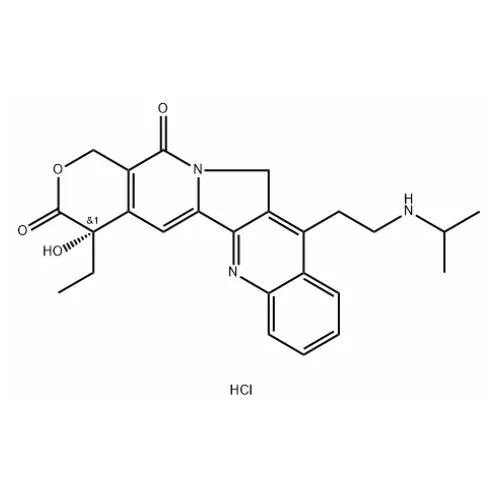
Camtobell Hydrochloride Is An Inhibitor. It's used in the treatment of certain medical conditions by inhibiting specific enzymes or pathways in the body. This shows how different drugs target different parts of the body's physiological processes.
So, if you're a doctor or a healthcare provider, it's crucial to be aware of these potential interactions when prescribing Amphotericin B and anti - hypertensive medications. You need to weigh the benefits against the risks and make the best decision for your patients.
If you're in the pharmaceutical industry and looking for a reliable supplier of Amphotericin B polyene antifungal drugs, I'm here to help. I've got a great supply of high - quality Amphotericin B products that meet all the necessary standards. Whether you're a pharmaceutical manufacturer, a research institution, or a distributor, I can provide you with the products you need. Don't hesitate to reach out if you're interested in purchasing or just want to learn more about our Amphotericin B products.
In conclusion, the interaction between Amphotericin B polyene antifungal drugs and anti - hypertensive medications is a complex but important topic. By understanding these interactions, we can ensure the safe and effective use of these drugs in patients. And if you're in the market for Amphotericin B, I'm your go - to supplier.
References

- Goodman, L. S., & Gilman, A. (Eds.). (2006). Goodman and Gilman's The Pharmacological Basis of Therapeutics. McGraw - Hill.
- Katzung, B. G., Masters, S. B., & Trevor, A. J. (2012). Basic & Clinical Pharmacology. McGraw - Hill.