

Veterinary drugs play a crucial role in maintaining the health of animals. They are used to prevent, diagnose, and treat various diseases and conditions in animals. However, like all medications, veterinary drugs can have an impact on an animal's body, particularly on the liver and kidneys. As a veterinary drug supplier, I have witnessed firsthand the importance of understanding how these drugs affect these vital organs.
The Role of the Liver and Kidneys in Animals
The liver and kidneys are two of the most important organs in an animal's body. The liver is responsible for a wide range of functions, including detoxification, metabolism of nutrients, and production of bile. It filters toxins and waste products from the blood, breaks down drugs and other foreign substances, and synthesizes proteins and other essential molecules. The kidneys, on the other hand, are responsible for filtering waste products and excess fluids from the blood, maintaining electrolyte balance, and producing hormones that regulate blood pressure and red blood cell production.
How Veterinary Drugs Affect the Liver
Veterinary drugs can affect the liver in several ways. Some drugs are metabolized by the liver, which means that they are broken down into smaller molecules that can be excreted from the body. During this process, the liver may be exposed to toxic byproducts of drug metabolism, which can cause damage to liver cells. This can lead to a condition called hepatotoxicity, which is characterized by inflammation and damage to the liver.
Certain veterinary drugs are known to be more hepatotoxic than others. For example, some antibiotics, antifungal drugs, and non - steroidal anti - inflammatory drugs (NSAIDs) can cause liver damage in animals. These drugs may interfere with normal liver function, disrupt the production of liver enzymes, or cause oxidative stress in liver cells.
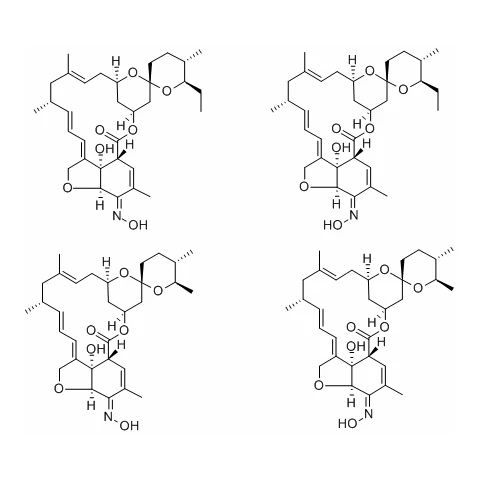
One example of a veterinary drug that can impact the liver is Milbemycin Oxime Antiparasitic Drug Insecticide. Milbemycin oxime is commonly used to prevent heartworm disease and treat various parasitic infections in animals. While it is generally considered safe, in some cases, it may cause liver enzyme elevations, indicating potential liver damage.
How Veterinary Drugs Affect the Kidneys
The kidneys are also vulnerable to the effects of veterinary drugs. Many drugs are excreted from the body through the kidneys, and if the concentration of drugs in the blood is too high, it can put a strain on the kidneys. This can lead to a condition called nephrotoxicity, which is characterized by damage to the kidney cells and impaired kidney function.
Some drugs can cause direct damage to the kidney tubules, which are responsible for filtering and reabsorbing substances from the blood. Other drugs may cause inflammation in the kidneys or interfere with the normal blood flow to the kidneys. For example, Doramectin Veterinary Drugs Anti - parasitic Antibiotics is an anti - parasitic drug that, in some cases, can cause kidney damage. High doses of doramectin or prolonged use of the drug may lead to nephrotoxicity, especially in animals with pre - existing kidney problems.
Another drug that can have an impact on the kidneys is Selamectin Antiparasitic Drug Insecticide Animal Raw Material. Selamectin is used to treat and prevent flea and tick infestations, as well as some other parasitic infections. Although it is generally well - tolerated, in rare cases, it may cause kidney - related side effects, such as changes in urine output or kidney function tests.
Factors That Influence the Impact of Veterinary Drugs on the Liver and Kidneys
Several factors can influence how veterinary drugs affect an animal's liver and kidneys. These include:
- Dosage: Higher doses of drugs are more likely to cause damage to the liver and kidneys. It is important to follow the recommended dosage guidelines provided by the veterinarian to minimize the risk of adverse effects.
- Duration of treatment: Prolonged use of drugs can increase the risk of liver and kidney damage. In some cases, short - term use of a drug may be well - tolerated, but long - term use may lead to cumulative damage.
- Animal's age and health status: Young animals, old animals, and animals with pre - existing liver or kidney disease are more vulnerable to the effects of veterinary drugs. Their organs may not be as efficient at metabolizing and excreting drugs, increasing the risk of toxicity.
- Drug interactions: Some drugs can interact with each other, increasing the risk of liver and kidney damage. It is important to inform the veterinarian about all the medications the animal is taking to avoid potential drug interactions.
Monitoring the Impact of Veterinary Drugs on the Liver and Kidneys
To minimize the risk of liver and kidney damage, it is important to monitor the animal's liver and kidney function during drug treatment. This can be done through regular blood tests, which can measure the levels of liver enzymes and kidney function markers. If any abnormalities are detected, the veterinarian may adjust the dosage of the drug or discontinue the treatment.
In addition to blood tests, urine tests can also be used to monitor kidney function. Urine analysis can detect the presence of protein, blood, or other abnormal substances in the urine, which may indicate kidney damage.
Choosing the Right Veterinary Drugs
As a veterinary drug supplier, I understand the importance of providing high - quality drugs that are safe and effective for animals. When choosing veterinary drugs, it is important to consider the following:

- Efficacy: The drug should be effective in treating the specific disease or condition for which it is prescribed.
- Safety: The drug should have a low risk of causing adverse effects on the liver and kidneys. It is important to choose drugs that have been thoroughly tested and approved by regulatory authorities.
- Compatibility: The drug should be compatible with other medications the animal is taking to avoid potential drug interactions.
Conclusion
Veterinary drugs are essential for maintaining the health of animals, but they can have an impact on the liver and kidneys. As a veterinary drug supplier, I am committed to providing high - quality drugs that are safe and effective. By understanding how veterinary drugs affect the liver and kidneys, veterinarians and animal owners can make informed decisions about drug treatment and take steps to minimize the risk of adverse effects.
If you are interested in purchasing veterinary drugs or have any questions about our products, please feel free to contact us for further discussion and procurement negotiations. We look forward to working with you to ensure the health and well - being of your animals.
References
- Gupta, R. C. (2012). Veterinary Toxicology: Basic and Clinical Principles. Academic Press.
- Plumb, D. C. (2015). Plumb's Veterinary Drug Handbook. Wiley - Blackwell.
- Emeigh Hart, A. (2014). Small Animal Internal Medicine Secrets. Elsevier Health Sciences.