

In the realm of modern medicine, biologics have revolutionized the treatment of various diseases, offering targeted and often highly effective therapies. However, the high cost of biologics has limited their accessibility for many patients. Biosimilars, as comparable alternatives, have emerged as a solution to this problem. As a biosimilars supplier, I am deeply involved in the development and distribution of these products, and I am eager to explore how biosimilars compare in terms of pharmacodynamics with biologics.
Understanding Pharmacodynamics
Pharmacodynamics is the study of the biochemical and physiological effects of drugs on the body and the mechanisms of drug action. It focuses on how a drug interacts with its target receptors, the resulting cellular responses, and the overall therapeutic effects. In the context of biologics and biosimilars, pharmacodynamics is crucial for determining whether a biosimilar can produce the same biological effects as the reference biologic.
Similarities in Pharmacodynamics
One of the key requirements for a biosimilar is to demonstrate similarity in pharmacodynamics to the reference biologic. This involves a comprehensive set of studies to evaluate the binding affinity, potency, and biological activity of the biosimilar compared to the reference product.
Binding Affinity
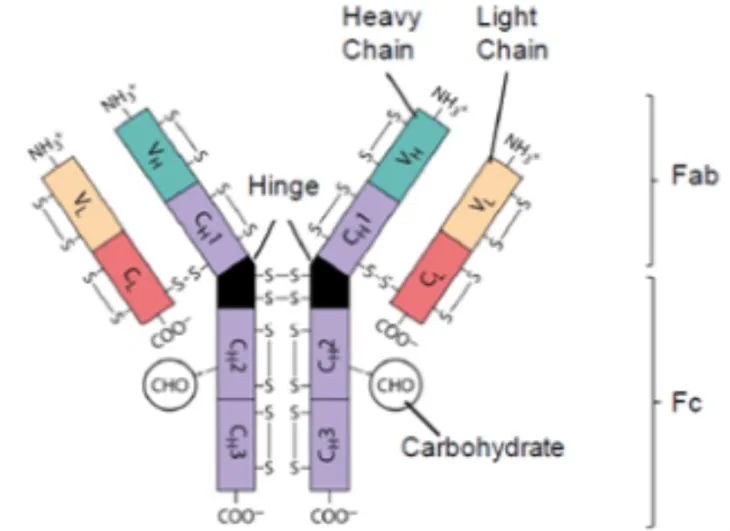
The binding affinity of a biologic or biosimilar to its target receptor is a fundamental aspect of pharmacodynamics. A biosimilar must have a similar binding affinity to the reference biologic to ensure that it can effectively interact with the target and produce the desired therapeutic effects. For example, in the case of monoclonal antibodies, which are a common type of biologic, the binding affinity to the antigen is critical for neutralizing the target and modulating the immune response.
Potency
Potency refers to the amount of a drug required to produce a specific biological effect. Biosimilars are designed to have a similar potency to the reference biologic, meaning that they should be able to achieve the same level of therapeutic activity at a comparable dose. This is typically evaluated through in vitro and in vivo studies, which measure the biological activity of the biosimilar and compare it to the reference product.
Biological Activity
In addition to binding affinity and potency, the biological activity of a biosimilar must also be similar to that of the reference biologic. This includes the ability to activate or inhibit specific signaling pathways, modulate immune responses, and produce other physiological effects. For example, a biosimilar of a growth factor may need to stimulate cell proliferation and differentiation in a similar manner to the reference biologic.
Differences in Pharmacodynamics
While biosimilars are designed to be highly similar to the reference biologic, there may be some minor differences in pharmacodynamics. These differences can arise due to variations in the manufacturing process, the source of the raw materials, or other factors. However, these differences are typically within an acceptable range and do not significantly affect the safety or efficacy of the biosimilar.
Manufacturing Variations
The manufacturing process for biosimilars is often different from that of the reference biologic, which can lead to some differences in the final product. For example, the use of different cell lines, culture conditions, or purification methods may result in minor variations in the structure and function of the biosimilar. However, these variations are carefully monitored and controlled to ensure that the biosimilar meets the required quality standards.

Immunogenicity
Another potential difference between biosimilars and biologics is immunogenicity, which refers to the ability of a drug to stimulate an immune response in the body. While biosimilars are designed to be highly similar to the reference biologic, there is a small risk of immunogenicity, which can lead to the development of antibodies against the biosimilar. However, extensive clinical studies are conducted to evaluate the immunogenicity of biosimilars and to ensure that it is comparable to that of the reference biologic.
Case Studies
To illustrate the comparison of pharmacodynamics between biosimilars and biologics, let's look at some specific examples.
Vedolizumab Monoclonal Antibody for Ulcerative Colitis
Vedolizumab is a monoclonal antibody used for the treatment of ulcerative colitis. Vedolizumab Monoclonal Antibody for Ulcerative Colitis Biosimilars of vedolizumab are being developed to provide a more affordable alternative for patients. In pharmacodynamic studies, these biosimilars have been shown to have similar binding affinity, potency, and biological activity to the reference vedolizumab. This indicates that they are likely to have comparable therapeutic effects in patients with ulcerative colitis.
Cetuximab Is An Antitumor Drug
Cetuximab is an antitumor drug that targets the epidermal growth factor receptor (EGFR). Cetuximab Is An Antitumor Drug Biosimilars of cetuximab have been developed to provide a more cost-effective option for cancer patients. Pharmacodynamic studies have demonstrated that these biosimilars have similar binding affinity and biological activity to the reference cetuximab, suggesting that they can effectively inhibit the growth and proliferation of cancer cells.
Ipilimumab Is Used To Treat Metastatic Melanoma
Ipilimumab is a monoclonal antibody used to treat metastatic melanoma. Ipilimumab Is Used To Treat Metastatic Melanoma Biosimilars of ipilimumab are being evaluated for their pharmacodynamic properties. Preliminary studies have shown that these biosimilars have similar binding affinity and biological activity to the reference ipilimumab, indicating that they may have comparable efficacy in the treatment of metastatic melanoma.
Implications for Patients and Healthcare Providers
The availability of biosimilars with similar pharmacodynamics to biologics has significant implications for patients and healthcare providers.
Cost Savings
One of the main advantages of biosimilars is their potential to reduce the cost of healthcare. By providing a more affordable alternative to biologics, biosimilars can make these life-saving treatments more accessible to patients who may otherwise be unable to afford them. This can have a positive impact on patient outcomes and quality of life.
Increased Access
In addition to cost savings, biosimilars can also increase access to biologic therapies. With more biosimilars available on the market, patients have more options for treatment, which can lead to better patient care and outcomes. Healthcare providers can also benefit from the increased availability of biosimilars, as they can choose the most appropriate treatment for their patients based on factors such as cost, efficacy, and safety.
Safety and Efficacy
While biosimilars are designed to be highly similar to the reference biologic, it is important to note that they are not identical. Therefore, it is essential to conduct rigorous clinical studies to evaluate the safety and efficacy of biosimilars before they are approved for use. Healthcare providers should also be aware of the potential differences between biosimilars and biologics and should closely monitor patients for any adverse effects.
Conclusion
In conclusion, biosimilars offer a promising alternative to biologics in terms of pharmacodynamics. Through comprehensive studies, biosimilars have been shown to have similar binding affinity, potency, and biological activity to the reference biologic. While there may be some minor differences in pharmacodynamics, these differences are typically within an acceptable range and do not significantly affect the safety or efficacy of the biosimilar.
As a biosimilars supplier, we are committed to providing high-quality biosimilars that meet the needs of patients and healthcare providers. We believe that biosimilars have the potential to revolutionize the healthcare industry by providing more affordable and accessible treatments. If you are interested in learning more about our biosimilars or would like to discuss potential procurement opportunities, please feel free to reach out to us.
References
- European Medicines Agency. (2014). Guideline on similar biological medicinal products containing biotechnology-derived proteins as active substance: non-clinical and clinical issues.
- U.S. Food and Drug Administration. (2015). Scientific considerations in demonstrating biosimilarity to a reference product.
- International Council for Harmonisation of Technical Requirements for Pharmaceuticals for Human Use. (2019). M4E: The Common Technical Document: Module 4: Non-clinical study reports.